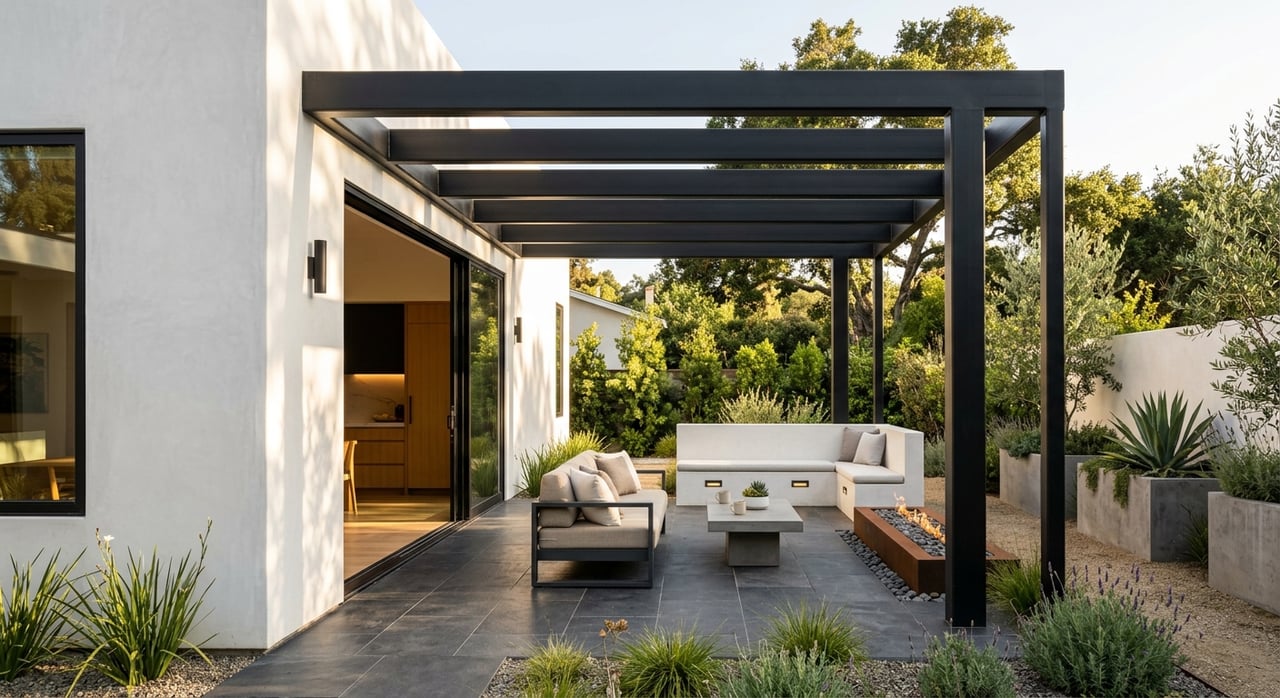
If you live in Pacific Palisades, your outdoor space can do more than look good. It can extend your living area, frame ocean or canyon views, and support year-round use in a mild coastal climate. The key is designing for this specific setting, where slope, salt air, drainage, and wildfire-conscious planning all matter. Let’s dive in.
Design for the Palisades Setting
Pacific Palisades is not a one-size-fits-all outdoor market. It is a coastal and hillside community where site conditions often shape the best design choices. That means the most successful outdoor spaces usually respond to views, landforms, and local review considerations from the start.
In practical terms, that often leads to outdoor spaces that feel integrated with the home rather than added on later. Clean sightlines, simple material palettes, and low-profile elements tend to work well here. They support a calm, architectural look while helping outdoor areas sit comfortably within the surrounding landscape.
Protect Views With Low-Profile Design
In Pacific Palisades, views can be one of the most valuable parts of a property. The local community plan emphasizes protecting ocean views and scenic coastal areas, which makes visual restraint an important design principle. Outdoor rooms that preserve open sightlines often feel more natural and more elevated.
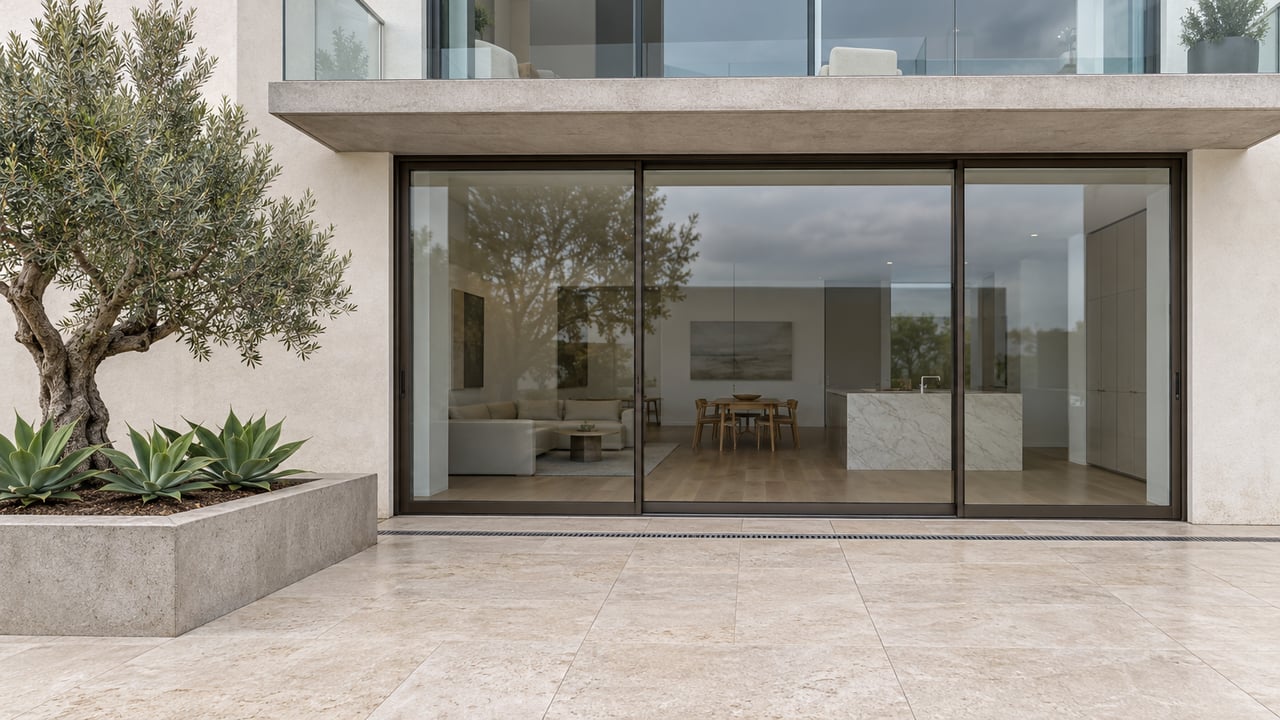
You can do this with built-in seating, streamlined railings, and furnishings that do not visually crowd the edge of a terrace. Wide openings from interior rooms to exterior spaces also help. When indoor and outdoor zones align, the space feels larger without relying on oversized structures.
Let the House Flow Outside
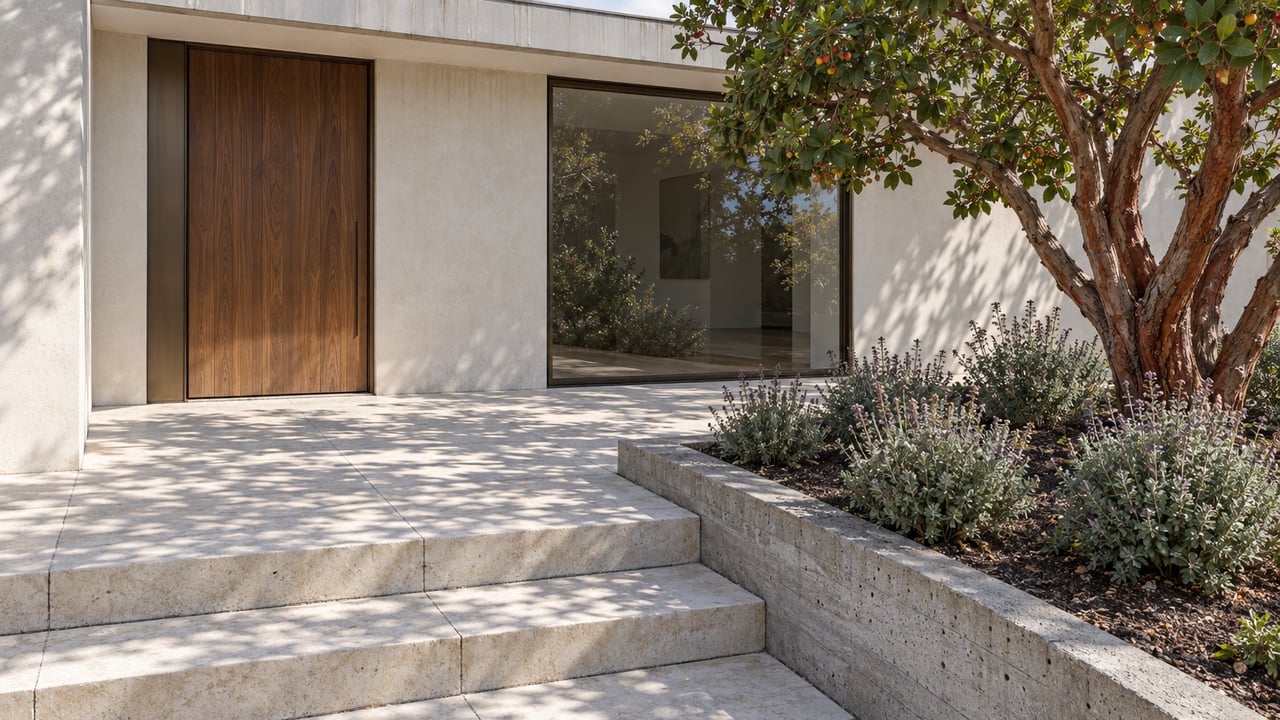
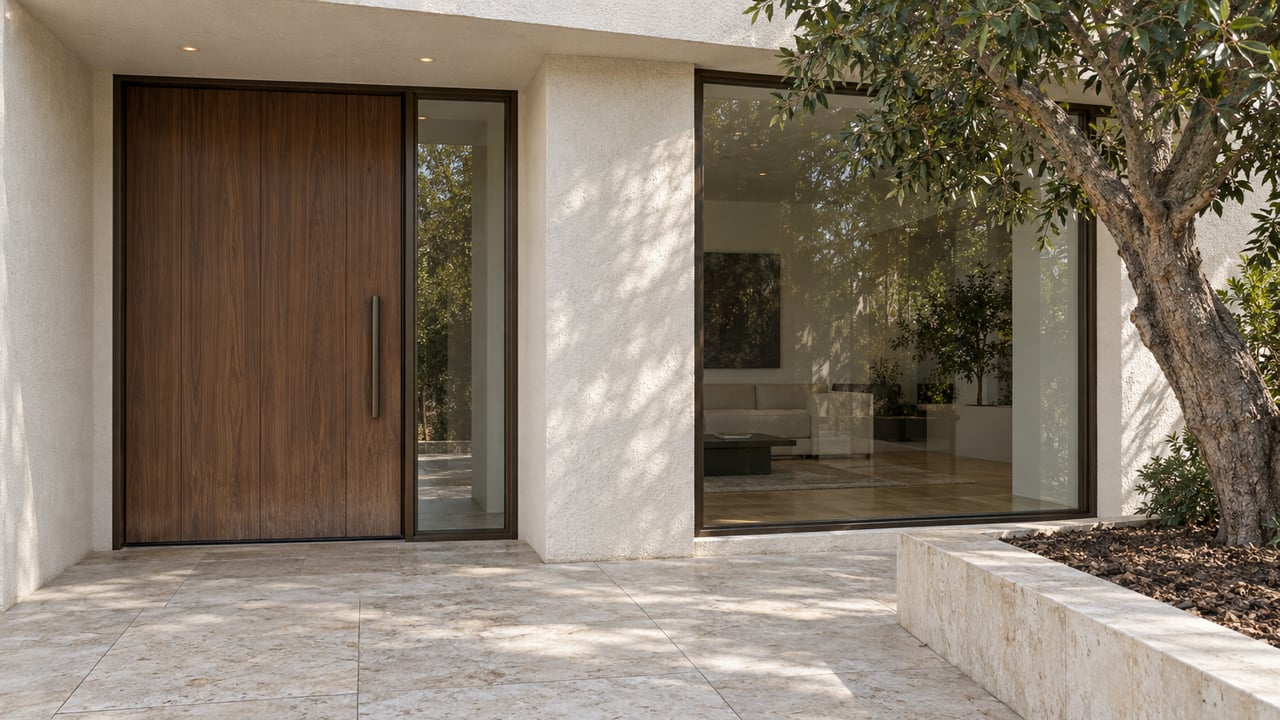
Some of the best outdoor living ideas are simple. Continue flooring tones, repeat materials, and carry the same architectural language from inside to outside. That kind of continuity can make a patio, courtyard, or terrace feel like a true extension of the home.
For a design-minded Palisades property, this usually means a restrained palette. Stone, concrete, wood accents, and clean-lined planting can create a refined setting that feels warm without becoming busy. The result is more usable space and a stronger connection between the architecture and the site.
Work With Slope, Not Against It
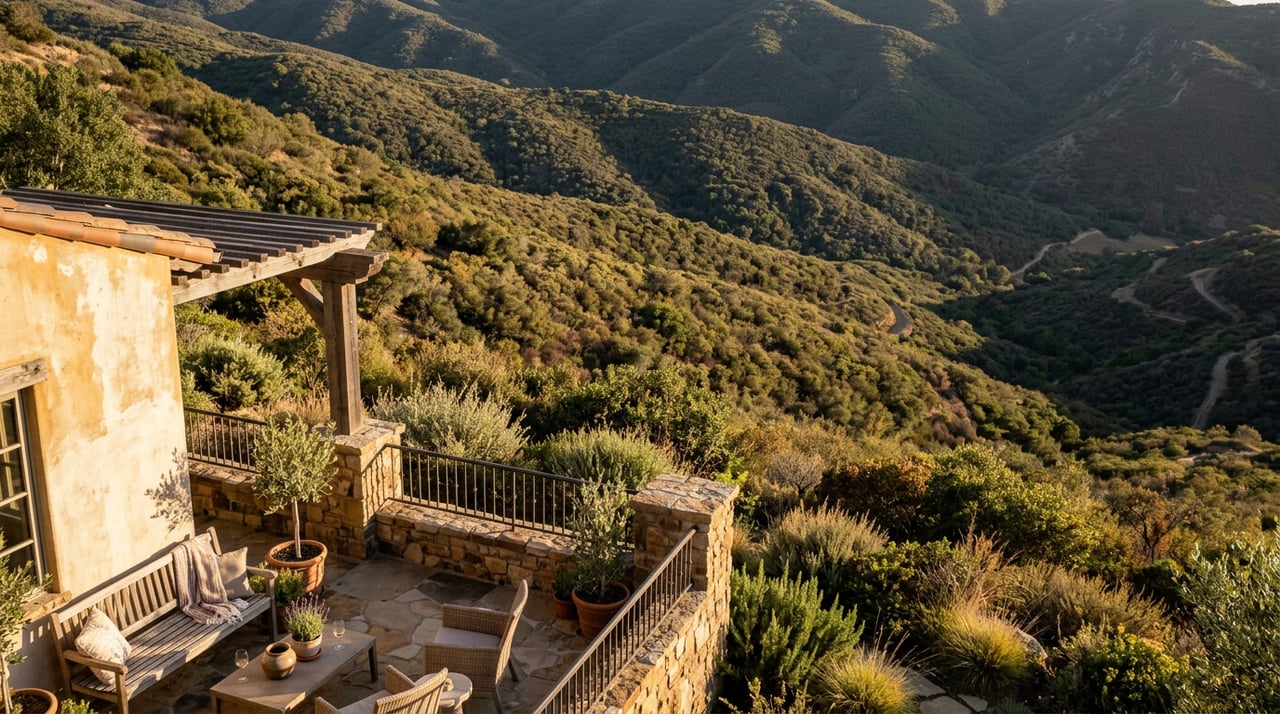
Many Pacific Palisades homes sit on hillside or canyon-adjacent lots. On these properties, forcing a flat backyard is not always the smartest move. A stepped layout with smaller terraces is often more practical and more visually compatible with the natural landform.
This approach can also improve how you use the site. Instead of one oversized pad, you can create distinct outdoor zones for dining, lounging, and circulation. That often feels more intentional and less disruptive to the lot.
Use Terraces for Function and Form
Terracing can make a sloped yard feel organized without overworking the site. One level might hold a dining patio near the kitchen, while another creates a lounge area or a quiet seating platform farther out. This can help preserve views and reduce the need for aggressive grading.
It also fits the local planning context. The community plan stresses minimizing alteration of natural landforms, especially in hillside areas. For many properties, smaller outdoor platforms are simply a better match for the site.
Check Grade and Wall Feasibility Early
If your outdoor plan involves cut and fill, changing grade, or adding retaining walls, feasibility matters early. In Los Angeles hillside grading areas, grading work requires permits, and retaining walls on private property are handled through Building and Safety with added hillside review steps in some cases. That makes early planning especially important before you commit to a final concept.
This is where a design-led process can save time and reduce rework. When outdoor ideas are tested against slope, drainage, and review requirements at the beginning, the finished design is more likely to move forward smoothly.
Build for Year-Round Outdoor Use
Pacific Palisades benefits from a mild coastal climate. Nearby climate normals show an annual mean temperature of 60.5°F, limited rainfall overall, and summer highs that generally stay in the upper 60s to around 70°F. That supports long use seasons for terraces, courtyards, and open-air dining areas.
At the same time, winter rainfall still matters. Outdoor spaces need to handle runoff and drainage well, especially on sloped lots. Good design here is not just about comfort. It is also about durability and long-term performance.
Prioritize Shade Without Blocking Light
Because the climate is mild, you do not always need heavy overhead coverage. Filtered shade often feels more appropriate than solid enclosure in Pacific Palisades. Pergolas, trellises, and slatted screens can soften sun exposure while preserving daylight and airflow.
This also supports a more visually open look. Rather than building tall opaque barriers, layered structures can create privacy while keeping the space light and connected to its surroundings. That balance tends to feel right for coastal homes.
Use Courtyards and Side Yards Well
Not every outdoor room needs to sit in the main rear yard. On lots with wind exposure, slope, or sensitive view corridors, a courtyard or side yard can become one of the most comfortable spaces on the property. These areas can feel sheltered and private without requiring major site changes.
Courtyard layouts are also useful when you want a quiet outdoor zone near the house. A breakfast patio, fire feature area, or compact lounge can work especially well here. That leaves larger open areas available for views, access, and circulation.
Choose Materials for Coastal and Fire Conditions
In Pacific Palisades, material selection is not only about appearance. Coastal exposure and wildfire-conscious planning should both shape your choices. A beautiful outdoor space needs to hold up physically and make sense for the location.
That usually points toward durable, low-maintenance hardscape near the house. It also favors planting that can handle dry conditions and possible salt exposure from ocean air.
Use Noncombustible Hardscape Near the Home
CAL FIRE identifies the first five feet from the home as the most important area for defensible space. In that Zone 0 area, recommended materials include gravel, pavers, and concrete, with no combustible bark or mulch. Dead debris should also be cleared from roofs and decks, and combustible items on top of decks should be limited.
For Pacific Palisades homes, this often makes stone, masonry, concrete, and pavers the most practical base materials around patios, lounge areas, and outdoor kitchens. These surfaces can still feel polished and architectural. They simply perform better close to the structure.
Select Plants for Drought and Salt Air
Planting in Pacific Palisades should account for more than low water use. UC guidance notes that coastal sites exposed to ocean spray can be more vulnerable to salt damage. That means your planting palette should consider both drought tolerance and salt exposure.
A practical approach is to use layered planting with coastal-adapted, lower-water species. Research sources highlight options such as coffeeberry, ceanothus, manzanita, and native salvias including Cleveland sage and white sage. These plants can support a more natural and site-appropriate landscape character.
Keep Planting Layered, Not Overgrown
A layered landscape often works better than a lush one in this setting. Lower plantings near the structure can support defensible space, while medium shrubs can help with privacy or slope stabilization. Sculptural shrubs or small trees can then be placed farther out where they are less likely to block views or crowd the home.
This kind of layout supports both resilience and visual calm. It also fits the understated, architectural quality many Pacific Palisades homeowners want from outdoor design.
Balance Privacy With Openness
Privacy matters, but in Pacific Palisades it often works best when it feels filtered rather than closed off. The local planning context emphasizes visual compatibility and screening without ignoring the scenic setting. In design terms, that usually means softer edges and layered separation.
Instead of relying on tall solid walls, consider combining planting, slatted screens, and partial overhead structures. This can create a sense of enclosure while keeping air, light, and views in play.
Try Layered Screening Elements
Layered privacy can make an outdoor room feel finished without making it feel boxed in. A screen near a seating area, planting along a property edge, and a pergola above can work together to shape space. Each element does part of the job, so no single piece has to do too much.
This approach is especially helpful on lots with neighboring sightlines or exposed terraces. It creates comfort while maintaining a clean, coastal look.
Plan Approvals Before You Finalize Design
Outdoor living upgrades in Pacific Palisades can be more review-sensitive than homeowners expect. Projects that affect grade, drainage, views, or coastal conditions may trigger added planning or permit considerations. This is especially relevant within the Brentwood and Pacific Palisades Dual Coastal Plan Zone.
That does not mean great outdoor projects are out of reach. It means the best projects start with clear site analysis and smart coordination. When you understand the rules early, you can design with confidence.
Review Fire and Coastal Constraints Early
Before finalizing a landscape or hardscape plan, it is wise to confirm brush-clearance requirements and fire zone status. LAFD directs property owners to local fire zone mapping and brush-clearance rules, and CAL FIRE notes that local agencies may apply stricter standards than the state minimum.
If your concept also affects coastal review factors, that should be part of the early feasibility conversation. A well-planned project respects the setting while avoiding unnecessary redesign later.
What Outdoor Living Looks Like Here
The best outdoor living ideas for Pacific Palisades are rarely about adding more. They are about editing well, building carefully, and responding to the site. Preserve the views, respect the slope, choose durable materials, and use planting with purpose.
When those moves come together, outdoor space becomes more than an amenity. It becomes part of the architecture and part of the property’s long-term value. If you are considering a remodel, new build, or design-led outdoor upgrade in Pacific Palisades, Steven James Design & Development can help you shape a space that feels refined, resilient, and true to the site.
FAQs
What outdoor living features work best for Pacific Palisades homes?
- Outdoor features that often fit Pacific Palisades well include view-oriented terraces, sheltered courtyards, pergolas, low-profile lounge areas, and layered planting that supports privacy without blocking light or scenery.
What should Pacific Palisades homeowners know about hillside outdoor projects?
- On hillside lots, stepped terraces are often more practical than one large flat yard, and projects that change grade or add retaining walls may require permits and added review through Los Angeles agencies.
What materials are best near a Pacific Palisades home?
- Noncombustible materials such as stone, pavers, concrete, gravel, and masonry are often the strongest choices near the home because CAL FIRE recommends hardscape-focused defensible space in the first five feet.
What plants suit Pacific Palisades outdoor spaces?
- Coastal-adapted, lower-water plants such as coffeeberry, ceanothus, manzanita, Cleveland sage, and white sage can be good options because they align with the area’s dry conditions and possible salt-air exposure.
Do outdoor upgrades in Pacific Palisades need special review?
- Some projects may require added review if they affect grading, drainage, retaining walls, views, or coastal-zone conditions, so it is smart to check feasibility before finalizing design plans.