If you have ever walked a few blocks in Los Feliz and felt that one home instantly reads as special while another feels slightly off, you are noticing architecture at work. Buyers in this part of Los Angeles rarely judge a property by square footage alone. They respond to how well a home fits its site, its street, and its original design language. In a neighborhood with strong architectural identity, those details shape emotion, confidence, and often the strength of an offer. Let’s dive in.
Why architecture matters in Los Feliz
Los Feliz is not a one-style neighborhood. Los Angeles City Planning identifies multiple historic districts here, including the Los Feliz Square Single-Family Residential Historic District, the Los Feliz Heights Residential Historic District, and the Los Feliz Boulevard Multi-Family Residential Historic District. Together, they reflect a layered mix of Spanish Colonial Revival, American Colonial, Mediterranean, Tudor Revival, Mid-Century Modern, Minimal Traditional, and Streamline Moderne buildings.
That variety gives Los Feliz depth, but it also raises the bar. Buyers often evaluate a home in relation to its block, roofline, setbacks, window proportions, and landscape setting. In other words, a house is not viewed as an isolated object. It is read as part of a larger architectural composition.
Los Angeles uses preservation tools to protect neighborhoods with distinct architectural and cultural resources. That framework helps explain why design coherence matters so much here. When a home feels true to its style and context, buyers tend to see it as more credible, more memorable, and more worth pursuing.
Buyer perception starts at the street
Before a buyer notices countertops or appliances, they usually register massing, entry sequence, roof form, and materials. In Los Feliz, that first impression carries extra weight because the neighborhood includes so many architecturally legible homes. The exterior tells buyers whether the house has a point of view.
A well-composed home tends to create confidence. It suggests that updates were made with restraint and that the property has been cared for thoughtfully. By contrast, a house with mismatched windows, flattened detailing, or disconnected additions can feel less resolved, even if the finishes are expensive.
For design-minded buyers, authenticity is not about freezing a house in time. It is about preserving the qualities that make the architecture recognizable. When that happens, the home feels grounded rather than generic.
Spanish Colonial Revival feels distinctly Los Angeles
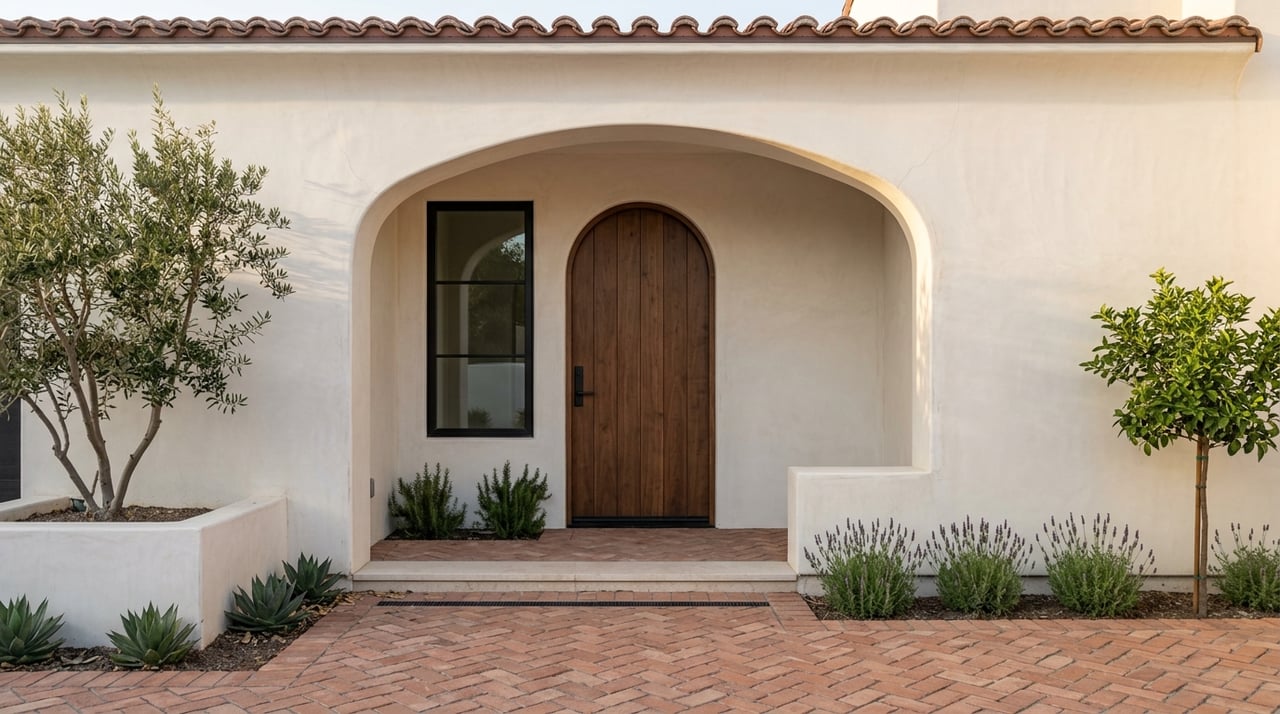
Spanish Colonial Revival is one of the most recognizable period styles in Los Feliz. Los Angeles planning materials describe it through asymmetrical horizontal massing, stucco or plaster walls, low-sloped clay tile roofs, arched doors and windows, capped chimneys, and features like patios, courtyards, loggias, covered porches, and balconies.
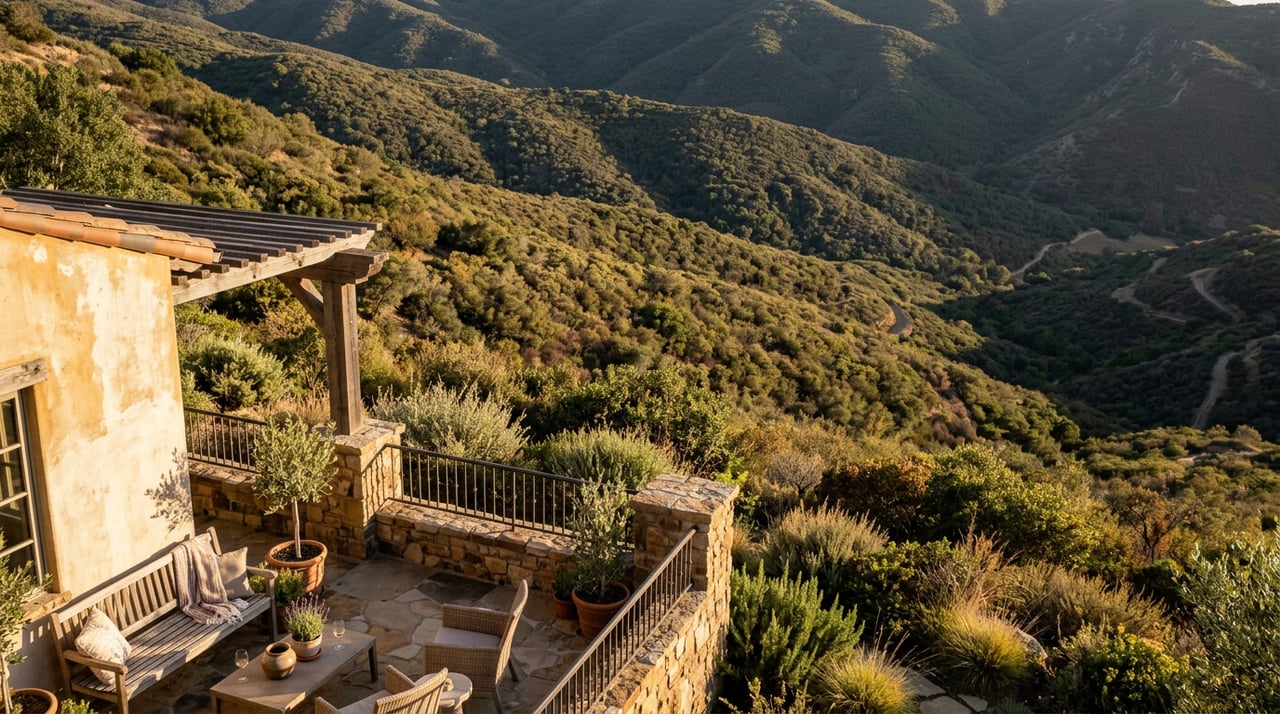
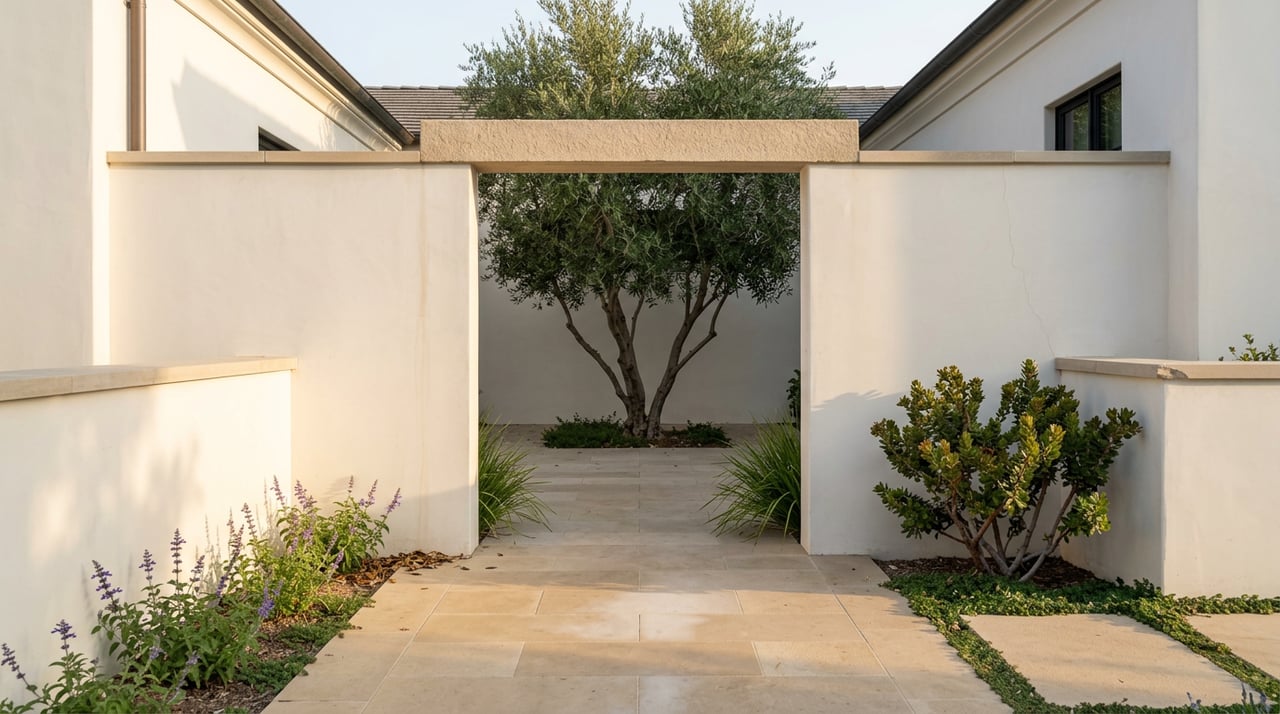
To buyers, that combination often reads as warm, romantic, and deeply tied to Southern California. These homes can create a strong emotional response because the architecture supports a lifestyle as much as a look. Courtyard entries, transitions to outdoor space, and textured plaster surfaces all add to the sense of place.
What tends to strengthen buyer perception is consistency. A legible roofline, repeated arch vocabulary, and original material language help the home feel authentic. When those features are replaced with unrelated details or overly standardized finishes, the house can lose some of the character that made it compelling in the first place.
Spanish details buyers notice
- Clay tile roof shapes that still read clearly from the street
- Arched doors, windows, or passageways used consistently
- Stucco or plaster surfaces that retain texture and depth
- Courtyard, patio, or loggia connections that support indoor-outdoor living
- Iron or wood detailing that feels appropriate to the home’s era
Traditional homes signal proportion and permanence
In Los Feliz, “traditional” usually points to Period Revival houses, including American Colonial Revival, Tudor Revival, Mediterranean Revival, and related forms. City context materials describe this category as flexible, with styles that can combine elements from Tudor English, Mediterranean, and Spanish precedents. Tudor examples often include steeply pitched roofs, stucco and half-timbering, tall narrow windows, and prominent chimneys.
For many buyers, these homes communicate order and architectural clarity. The appeal often comes from strong proportions and a sense that the home already knows what it is. That established identity can make a property feel stable and lasting from the moment you arrive.
Buyers tend to respond best when exterior elements remain coherent and interior updates stay in conversation with the original envelope. A thoughtfully modernized kitchen or bath can absolutely help. The key is that the new work should not visually compete with the architecture.
Traditional features that shape offers
- Original window proportions preserved at the front elevation
- Chimneys, porches, and roof forms kept visually balanced
- Ornament used with restraint and consistency
- Interior updates that respect the home’s scale and character
- Additions that do not overpower the original structure
Midcentury modern rewards openness and site design
Los Feliz also has a strong modernist story. Los Angeles City Planning describes midcentury modern residential architecture as using wood-frame construction, geometric or angular forms, expressive roofs, open plans centered on shared living and dining space, and strong indoor-outdoor integration through extensive glass.
Local landmarks reinforce that reputation. The Lovell House in Los Feliz is widely recognized as an important steel-frame achievement, and the Ennis House remains one of Frank Lloyd Wright’s major Los Angeles works. Even when a home is less famous or smaller in scale, that local legacy influences how buyers read modern architecture in the neighborhood.
These homes often feel architectural, light-filled, and site-specific. Buyers usually respond to openness that feels intentional rather than generic. When the roof form is expressive, the glazing is carefully placed, and the house sits naturally on the slope, the property can feel both livable and culturally meaningful.
Midcentury cues buyers value
- Open-plan layouts that still feel organized
- Strong indoor-outdoor flow through glass and living areas
- Original or well-matched millwork and built-ins
- Roof forms that remain a defining visual feature
- Additions that respect the hillside siting and original logic
Contemporary homes invite finish scrutiny
Contemporary homes in Los Feliz often have the simplest visual language, which means buyers notice execution quickly. Los Angeles preservation guidance describes the Contemporary style with features such as broad overhanging flat or low-pitched roofs, generous plate glass, clean profiles, exposed wood or steel posts, large fixed panes, sliding glass, and minimal ornamental framing.
When these homes are well done, they can feel calm, precise, and highly livable. Their appeal often comes from proportion, light, and disciplined material choices rather than decorative detail. That stripped-back quality can be powerful.
It can also expose weak decisions. Because contemporary homes rely on fewer visual elements, poor detailing, generic finishes, or awkward façade composition stand out more. Buyers often look closely at the relationship between wall planes, glazing, rooflines, and outdoor space.
Contemporary signals that help perception
- Crisp composition between roof, glazing, and wall surfaces
- High-quality materials and detailing
- Minimal framing and clean lines used consistently
- Indoor-outdoor transitions that feel natural to Los Angeles living
- Exterior updates that avoid a standardized, builder-basic look
The common thread is architectural coherence
Across Spanish, traditional, midcentury, and contemporary homes, the strongest buyer response in Los Feliz usually comes down to coherence. The house should feel like a complete idea. Its exterior language, updates, and landscape setting should all support the same story.
That does not mean every property needs a full restoration. It means the best improvements often work with the architecture rather than against it. Better kitchens and baths, cleaner systems, stronger transitions to outdoor space, and more usable yards can all add value when they remain visually subordinate to the home itself.
This is where design decisions become market decisions. Buyers often pay attention to whether a remodel protects proportion, materials, and plan logic. Homes that preserve those qualities tend to feel more confident in person and more compelling in the market.
Historic district rules can affect design choices
If a property is located in an HPOZ or another designated historic district, exterior work may be subject to city review. Los Angeles City Planning states that HPOZs were created to protect neighborhoods with distinct architectural and cultural resources and to govern review of project applications.
For sellers, that matters before you plan visible exterior changes. For buyers, it matters when you evaluate future renovation options. A great design strategy in Los Feliz usually starts with understanding both the house itself and the local review context.
What this means if you are buying or selling
If you are buying in Los Feliz, look beyond listing photography and ask whether the architecture feels resolved from the street to the backyard. Notice whether the windows, roofline, materials, and updates belong together. In a neighborhood this visually literate, those details shape long-term appeal.
If you are selling, the goal is rarely to erase the home’s age or style. The better move is usually to clarify what is already strong. When a property presents with architectural confidence, buyers tend to understand its value faster and respond more emotionally.
At Steven James, we see architecture as both lived experience and market signal. In Los Feliz, that connection is especially clear. When design, construction choices, and brokerage strategy align, buyer perception becomes a real advantage.
If you are considering a remodel, preparing a home for market, or evaluating a design-driven purchase in Los Feliz, Steven James Design & Development can help you approach the opportunity with architectural discipline and market awareness.
FAQs
Which Los Feliz architectural details matter most to buyers?
- Buyers often notice rooflines, window proportions, entry sequence, exterior materials, and how well a home’s updates match its original style.
How do buyers judge authenticity in a Los Feliz home?
- Buyers usually respond well when a home keeps its core design language intact, including recognizable forms, consistent detailing, and updates that do not fight the original architecture.
Do modern updates hurt buyer perception in Los Feliz period homes?
- Not necessarily. Modern updates can help when they improve function and livability while staying visually subordinate to the home’s original proportions, materials, and character.
Why do contemporary homes in Los Feliz face more finish scrutiny?
- Contemporary homes use fewer ornamental elements, so buyers tend to notice material quality, detailing, façade composition, and indoor-outdoor transitions more quickly.
Does historic district status affect Los Feliz renovation plans?
- Yes. If a property is in an HPOZ or another designated historic district, exterior work may be subject to Los Angeles city review before changes are approved.
How should a Los Feliz seller prepare an architecturally significant home for market?
- The most effective approach is often to strengthen coherence through thoughtful repairs, restrained updates, and presentation choices that clarify the home’s architectural identity.