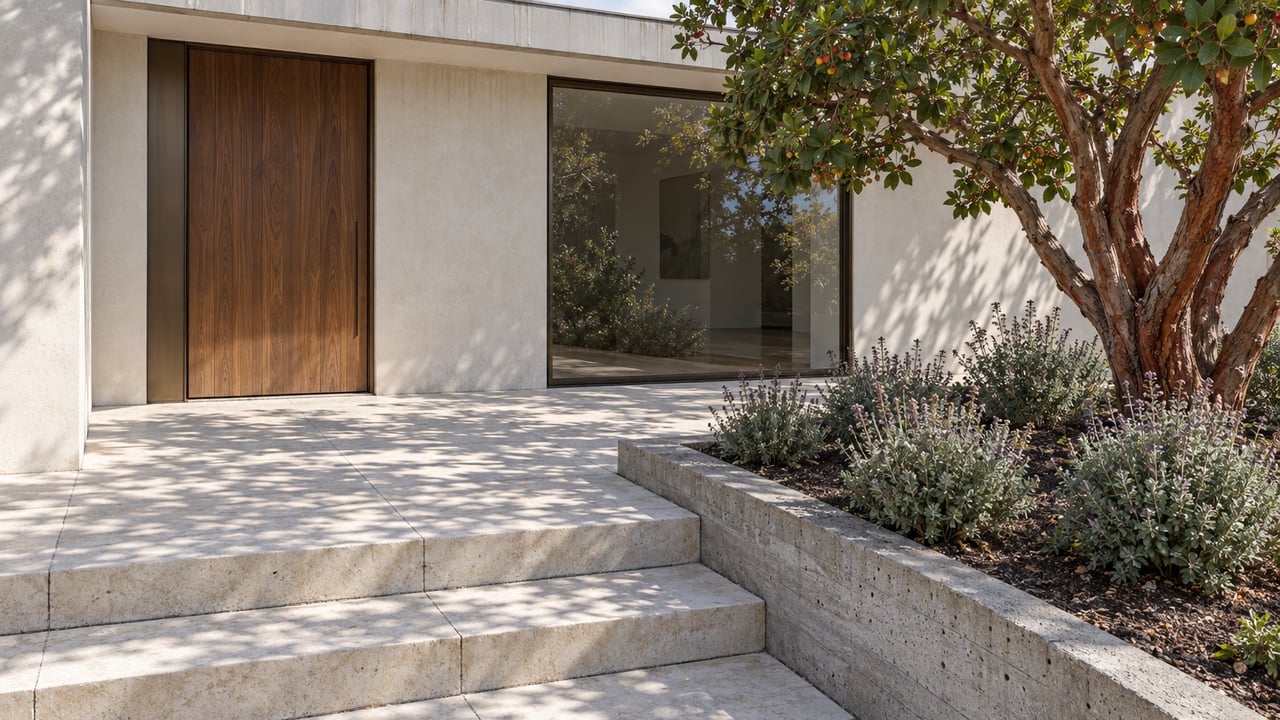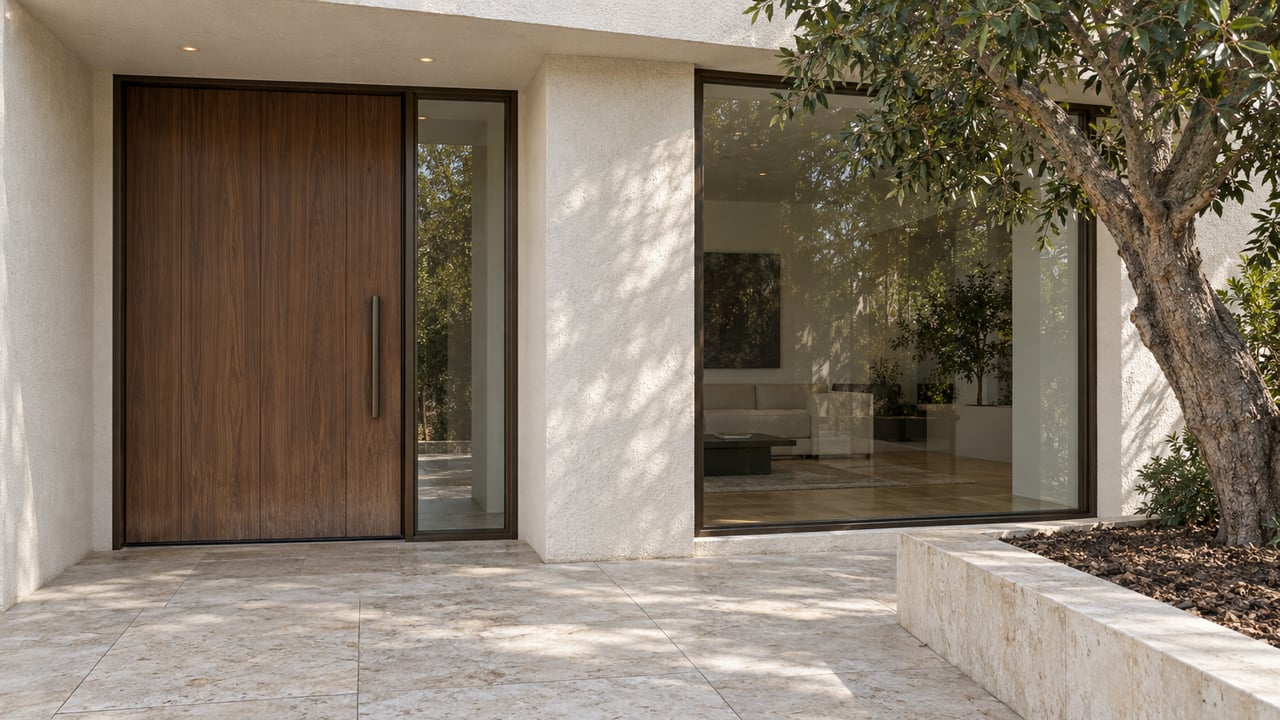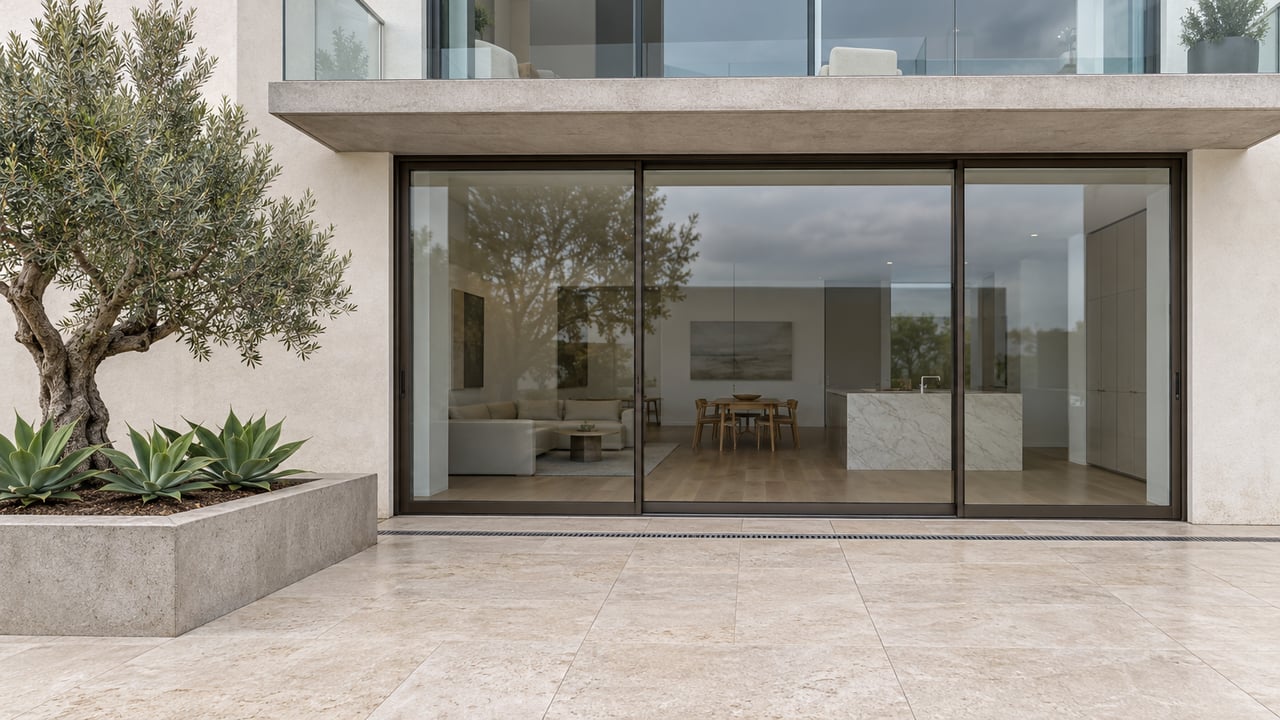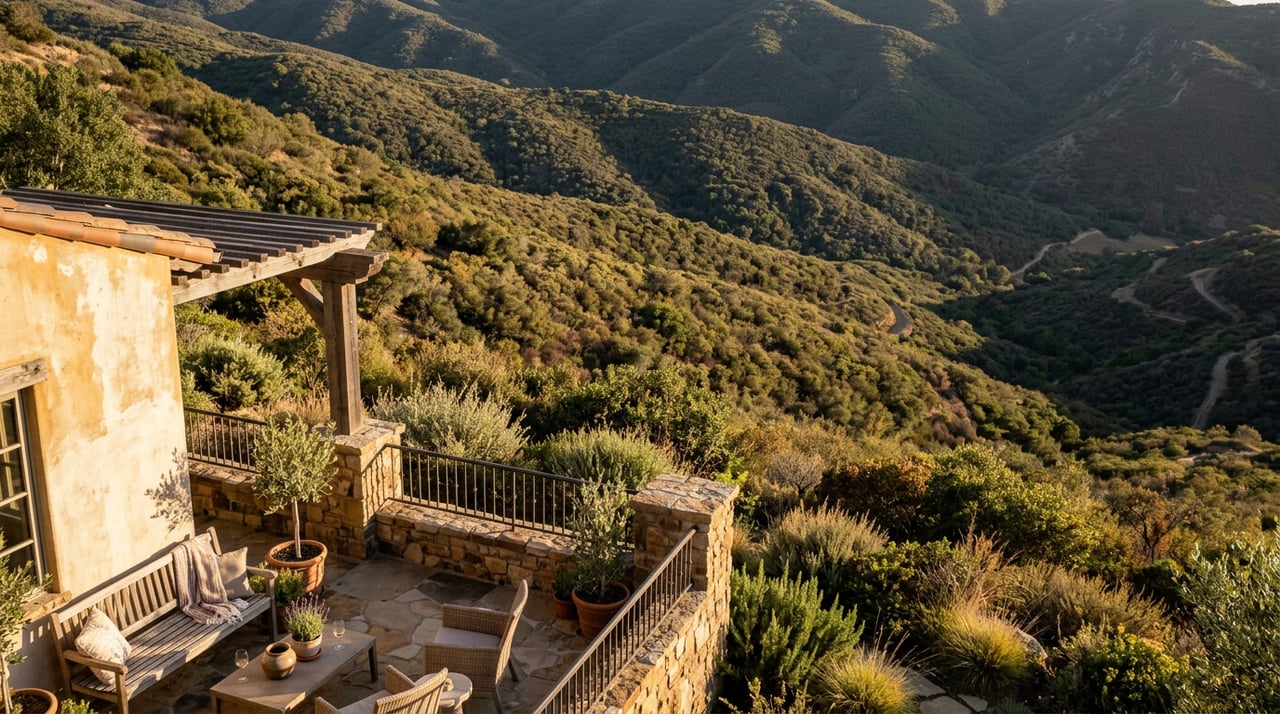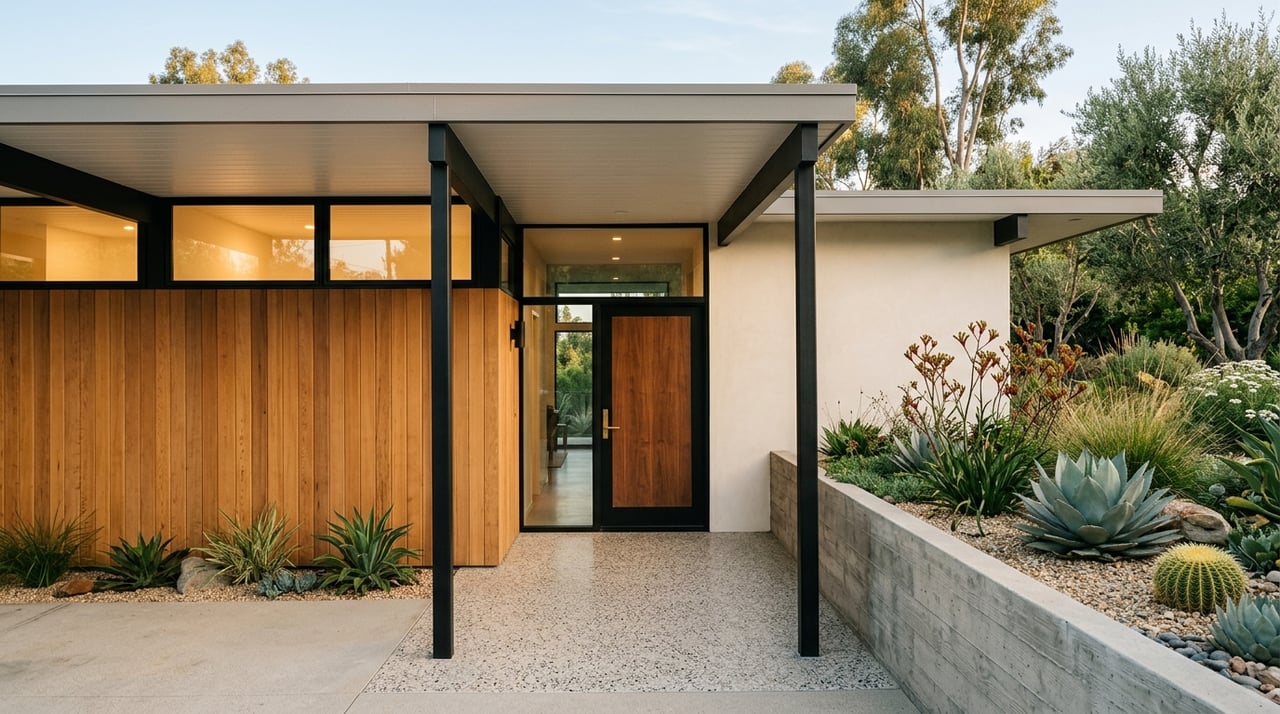
A Hollywood Hills midcentury can feel effortless when it is done well, but remodeling one is rarely simple. You want better function, stronger performance, and a more current finish without losing the lines, light, and hillside character that made the house special in the first place. With the right approach, you can improve how the home lives today while protecting the architectural clarity that gives it long-term value. Let’s dive in.
Start With the House and the Site
In the Hollywood Hills, a midcentury home is usually more than a floor plan. It is a composition shaped by the slope, the views, and the way indoor and outdoor spaces connect. Post-and-beam structure, broad glazing, strong horizontal lines, and decks or patios that work with steep terrain are all part of that language.
That matters because a thoughtful remodel should respond to the site as much as the house itself. The City of Los Angeles hillside ordinance guide was adopted to protect hillside terrain and panoramic views, and it frames grading, drainage, landscaping, and architecture as related decisions. In practice, that means your design, structure, and site work need to be coordinated from the start.
Check Historic Status Early
Before you sketch layouts or choose materials, confirm how the property is classified. In Los Angeles, you can use HistoricPlacesLA and ZIMAS to check whether a parcel is a designated historic resource, an HPOZ property, or a surveyed resource.
This step can shape the entire process. If the home falls within an HPOZ or has designated status, the review path may change, and even exterior paint or landscaping may require review before permits are issued. Early clarity helps you avoid redesigns later.
Preserve the Hillside Composition
Many of the best Los Angeles midcentury houses succeed because they feel inseparable from their setting. Local precedents like the Chuey Residence, the Chemosphere, and the Ward-Berger House show how glazing, terraces, views, and built-ins become part of the architecture rather than decoration.
When you remodel with care, you preserve that relationship. Instead of treating the lot like a blank pad, you work with the contours, keep terraces intentional, and avoid site moves that make the property feel over-cut or disconnected from the canyon. The result is usually quieter, more elegant, and more true to the house.
Rethink the Floor Plan Carefully
A good midcentury remodel does not have to mean a larger visual footprint. In many cases, the smartest move is to improve circulation, storage, kitchen function, and room relationships without disturbing the primary massing or street-facing composition.
Los Angeles preservation guidance generally favors rear additions, stepped-in side additions, compatible materials, and fenestration patterns that respect the original design. It also recommends that new work remain readable as new construction instead of copying the old exactly. That balance is especially important in a midcentury home, where restraint is part of the appeal.
Where Additions Tend to Work Best
In Hollywood Hills remodels, additions usually succeed when they stay secondary to the original house. That often means a lower-volume rear extension, a tucked-away side addition, or selective reconfiguration inside the existing envelope.
For homes with low, flat, or symmetrical rooflines, second-story additions are often discouraged in preservation guidance because they can break the roof plane and overwhelm the original composition. If your goal is more space, it is often better to solve it with disciplined planning than with a dramatic façade reset.
Keep New Work Honest
One of the most common mistakes in a remodel is making an addition look like a forced imitation. Los Angeles guidance prefers compatible but not identical design, with similar materials and glazing rhythms, smaller massing, and simpler details that make the addition legible as new.
That approach fits midcentury architecture well. Clean lines, clarity, and proportion usually carry more weight than decorative matching. When the new work is calm and well-scaled, the whole home feels more coherent.
Upgrade Glazing Without Losing the View
Views are often the emotional center of a Hollywood Hills house, so windows and glazed doors deserve careful attention. In a midcentury remodel, glazing is not just a finish selection. It affects comfort, energy use, wildfire resistance, and the visual lightness of the architecture.
The 2025 California Energy Code applies to permits filed on or after January 1, 2026, and it covers new buildings as well as additions and alterations. The update increases efficiency requirements in walls and windows and encourages heat pumps and better ventilation. If you are replacing windows or doors, performance needs to be part of the design conversation early.
What Performance Means for Window Replacement
When windows or glazed doors are replaced, the code requires documented performance values such as:
- U-factor
- Solar heat gain coefficient
- Visible transmittance
- Air leakage
Field-fabricated fenestration must also be caulked or weather-stripped. For a view-driven house, this means you should evaluate sightlines and profiles alongside comfort and compliance, not after the design is set.
Consider Wildfire Resistance Too
In hillside locations, glazing choices should also account for wildfire exposure. CAL FIRE recommends upgrading vulnerable single-pane windows, using double-pane tempered glass, and keeping vegetation and combustibles away from windows.
CAL FIRE states that tempered glass is about four times more resistant to wildfire breakage. That makes it a practical consideration for homes where large panes of glass are central to the design. The goal is not to sacrifice openness, but to make that openness more resilient.
Coordinate Roofs, Vents, and Exterior Details
A careful remodel looks beyond the showpiece elements. Roofs, vents, eaves, and gutters play a major role in home hardening, especially in hillside conditions.
CAL FIRE recommends keeping debris off roofs and gutters, protecting vents with ember-resistant details, and using noncombustible or ignition-resistant materials where possible. These are the kinds of upgrades that may not change the visual identity of the home much, but they can improve durability and peace of mind.
Bring Structure and Grading Into the Design Early
In the Hollywood Hills, remodels often touch more than finishes and layouts. Enlarging openings, cutting into slopes, adding retaining walls, shifting decks, or changing load paths can trigger structural, geotechnical, and grading review.
LADBS reviews building plans, MEP plans, and grading plans, and it offers preliminary plan check for projects that need more guidance. For substantial hillside remodels, you should expect a multi-discipline review rather than a simple permit path.
Understand Grading and Permit Sequencing
In hillside areas, grading plan checks are required for work such as slope repairs, landslides, site preparation, basement excavation, pool excavation, and retaining wall cuts or backfill. The City’s hillside guide also states that no grading permit is issued until a building permit is approved.
That sequencing matters. If your remodel includes site work, retaining, or excavation, those decisions should be part of the project strategy from day one rather than treated as separate items later.
Let the Terrain Guide the Design
The hillside guide limits grading quantities and describes landform grading as a contour method that simulates natural terrain while integrating drainage control and landscaping. That is a useful design lens for terraces, garden levels, and retaining walls.
A well-resolved hillside remodel should feel intentionally shaped, not aggressively excavated. In many cases, subtle site moves create a better result than large engineered gestures that overpower the house.
Do Not Skip Geotechnical Coordination
LADBS says soils or geology reports should be submitted with plans, and hillside guidance calls for stringent geotechnical analysis on very steep slopes. If your remodel changes structural loads, enlarges openings, or alters the slope, early consultant coordination is essential.
This is one of the clearest places where planning pays off. When structure, grading, and architecture move together, you reduce delays and protect the design intent.
Update Finishes With Restraint
The strongest modern rehabs usually preserve as much character-defining fabric as possible while improving livability and systems. That can include original floor plans, millwork, hardware, fixtures, built-ins, and even period-appropriate color relationships when they remain intact.
For a Hollywood Hills midcentury, restraint often creates the most lasting result. Instead of replacing everything, focus on what gives the house its identity and pair that with thoughtful upgrades to lighting, kitchens, baths, mechanical systems, and material performance.
What a Sensitive Finish Strategy Looks Like
A careful finish plan often includes:
- Preserving original built-ins where possible
- Retaining simple material palettes and clean detailing
- Updating systems without adding visual clutter
- Choosing new materials that feel compatible rather than theatrical
- Letting sightlines, proportion, and natural light remain the focal points
This is where design discipline matters. Midcentury homes depend on clarity, and clarity is easy to lose when too many competing ideas enter the project.
Why an Integrated Process Matters
A hillside midcentury remodel is rarely just a design exercise. It touches architecture, permitting, structural coordination, grading, energy performance, fire resilience, and eventual market value.
That is why an integrated path can be so valuable. When design, construction management, and real estate strategy are considered together, you are better positioned to make decisions that protect both the living experience and the long-term value of the property.
A well-remodeled midcentury should still feel calm, site-specific, and architecturally legible when it is done. If you are planning a Hollywood Hills project and want a design-led team that can help you think through the house, the process, and the bigger value picture, Steven James Design & Development can help you move forward with clarity.
FAQs
What makes a Hollywood Hills midcentury remodel different from a standard renovation?
- A Hollywood Hills midcentury remodel often involves hillside grading, structural coordination, view-focused glazing, and design choices that need to preserve the home’s original composition.
What should you check before remodeling a midcentury home in Hollywood Hills?
- You should first confirm whether the property is a designated historic resource, HPOZ property, or surveyed resource using Los Angeles tools like HistoricPlacesLA and ZIMAS.
Are second-story additions a good idea for Hollywood Hills midcentury homes?
- In many cases, no. Los Angeles preservation guidance often discourages second-story additions on low or flat-roofed homes because they can disrupt the original roofline and overall composition.
How do window upgrades affect a Hollywood Hills remodel?
- Window upgrades affect views, comfort, energy performance, and wildfire resistance, and California code requires documented performance values when windows or glazed doors are replaced.
Why do grading and structural planning matter in hillside remodels?
- In hillside areas, grading, retaining, excavation, and slope changes can trigger separate reviews and require early coordination with structural and geotechnical consultants.