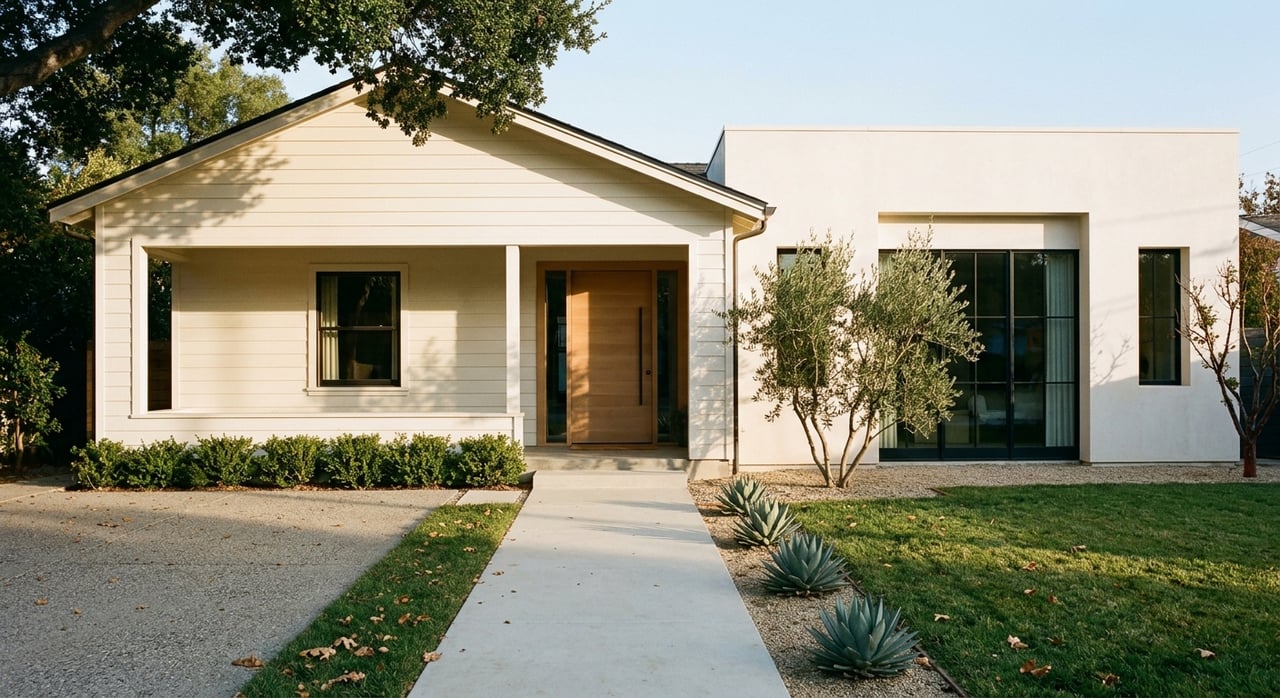
Wondering whether your Pasadena remodel should lean modern, transitional, or historically sympathetic? In this city, that choice is bigger than personal taste alone. Pasadena has a deep architectural identity, and the best remodels usually feel right for both the house and its surroundings. If you want a direction that improves how you live now while protecting long-term value, this guide will help you think clearly about what fits. Let’s dive in.
Why design direction matters in Pasadena
Pasadena is one of Southern California’s most architecture-focused cities. The city has designated more than 200 individual historic sites and 26 historic neighborhoods, and many residential areas already fall within landmark or historic districts. Its housing stock is also older than many nearby markets, with 75 percent built before 1970.
That context changes the remodel conversation. In Pasadena, the strongest result is often the one that respects the home’s era, scale, and street presence instead of forcing a trend that could feel disconnected from the block. A remodel can still be fresh and highly functional, but it usually works best when the design language feels grounded in place.
Start with the house, not the mood board
Before you pick finishes, fixtures, or reference images, study the house itself. Look at the roof shape, porch depth, window proportions, siding or stucco, and the way the home meets the street. Those elements often tell you more about the right direction than a saved image from a different neighborhood or era.
In Pasadena, this matters because design review focuses on compatibility. The city reviews new construction and alterations, and homes in landmark or historic districts may be subject to historic-district guidelines. Major exterior work on designated resources can also require a Certificate of Appropriateness.
Common review items include:
- Windows
- Front porches
- Additions
- Fences
- New garages
That means your design direction is not just an aesthetic choice. It also shapes how smoothly your project can align with local expectations.
The three main design directions
Historically sympathetic
A historically sympathetic remodel is usually the strongest fit when the original style is central to the home’s character. This is especially true for Pasadena Craftsman homes, bungalows, and many Period Revival properties. In neighborhoods with a strong historic identity, preserving the home’s visual logic often creates the most convincing result.
This approach does not mean freezing the house in time. It means keeping the features that define it, then updating the home in a way that feels measured and coherent. In Pasadena, that can include preserving a prominent porch, maintaining original roof forms, respecting window rhythm, and choosing materials that feel related to the original structure.
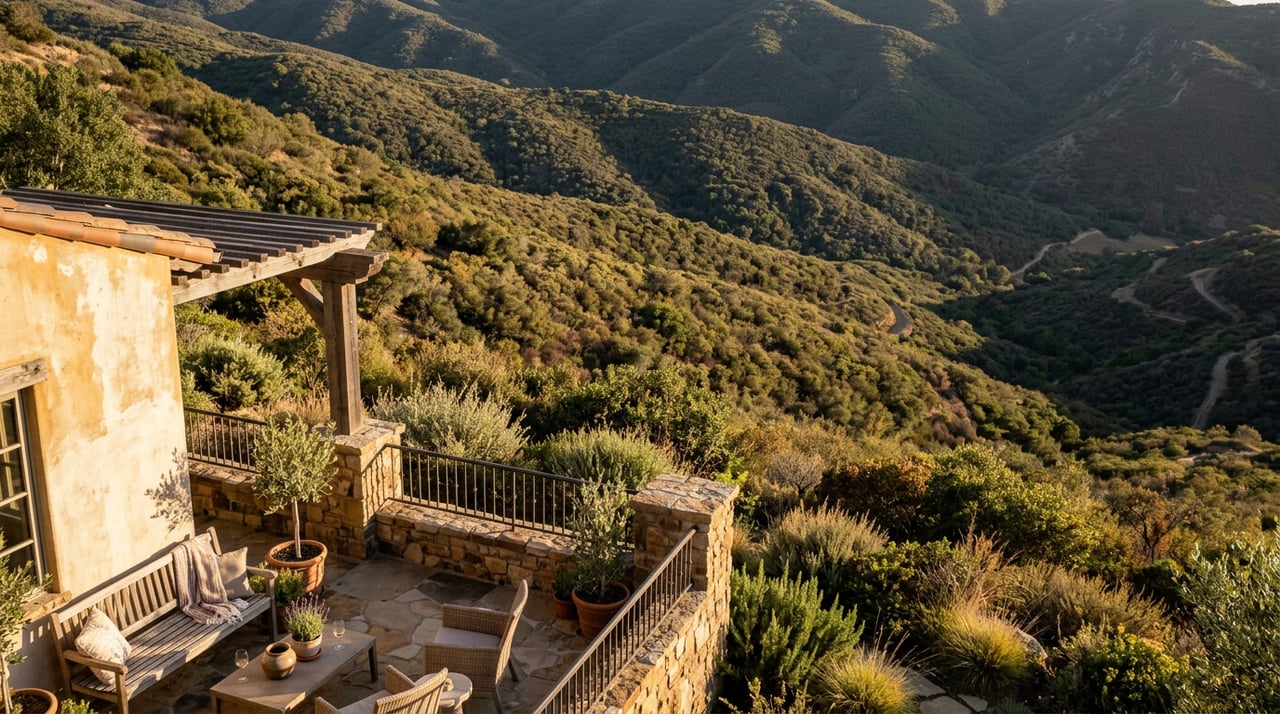
Pasadena’s style guidance gives useful clues. Craftsman homes are typically low-pitched and gabled, with wide eaves, exposed rafters, wood shingle or clapboard siding, porches, stone detailing, and visible craft. Spanish Colonial Revival homes often use stucco exteriors, tiled roofs, recessed openings, and patio-oriented planning.
A sympathetic remodel should still avoid imitation that feels artificial. New work should respect the old house, use compatible forms and materials, and remain readable as new rather than pretending it is untouched original fabric.
Modern
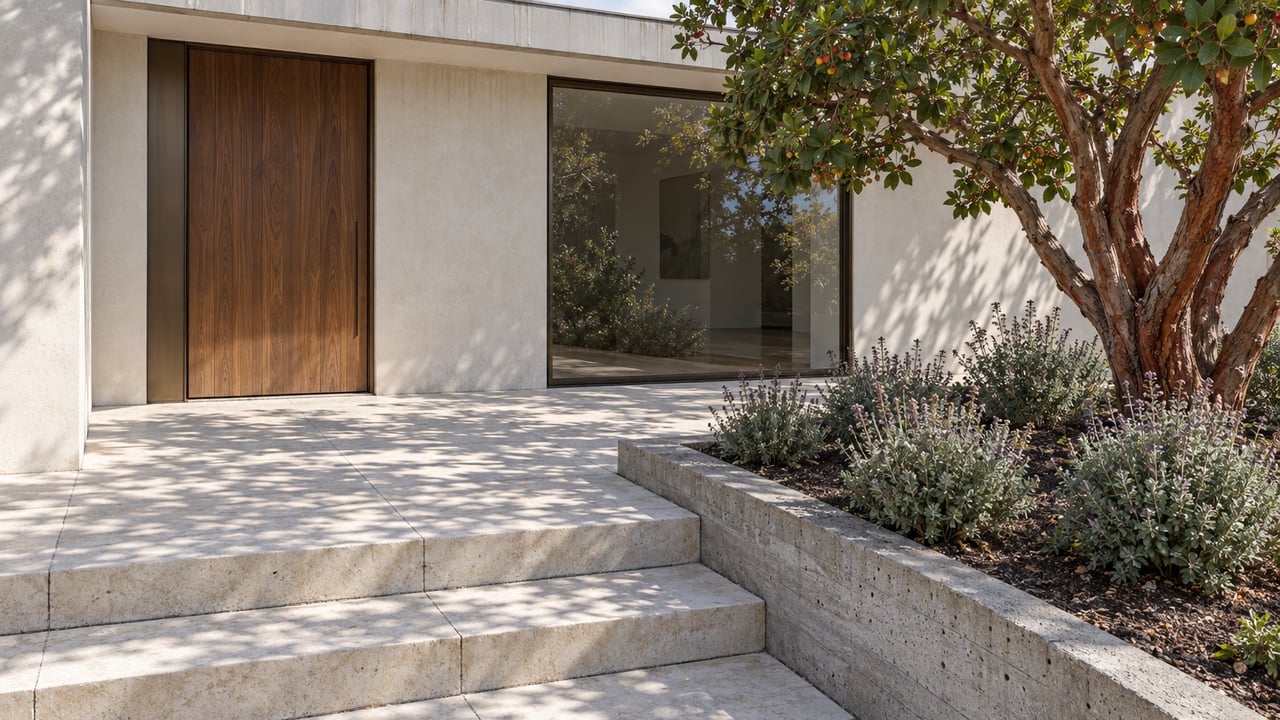
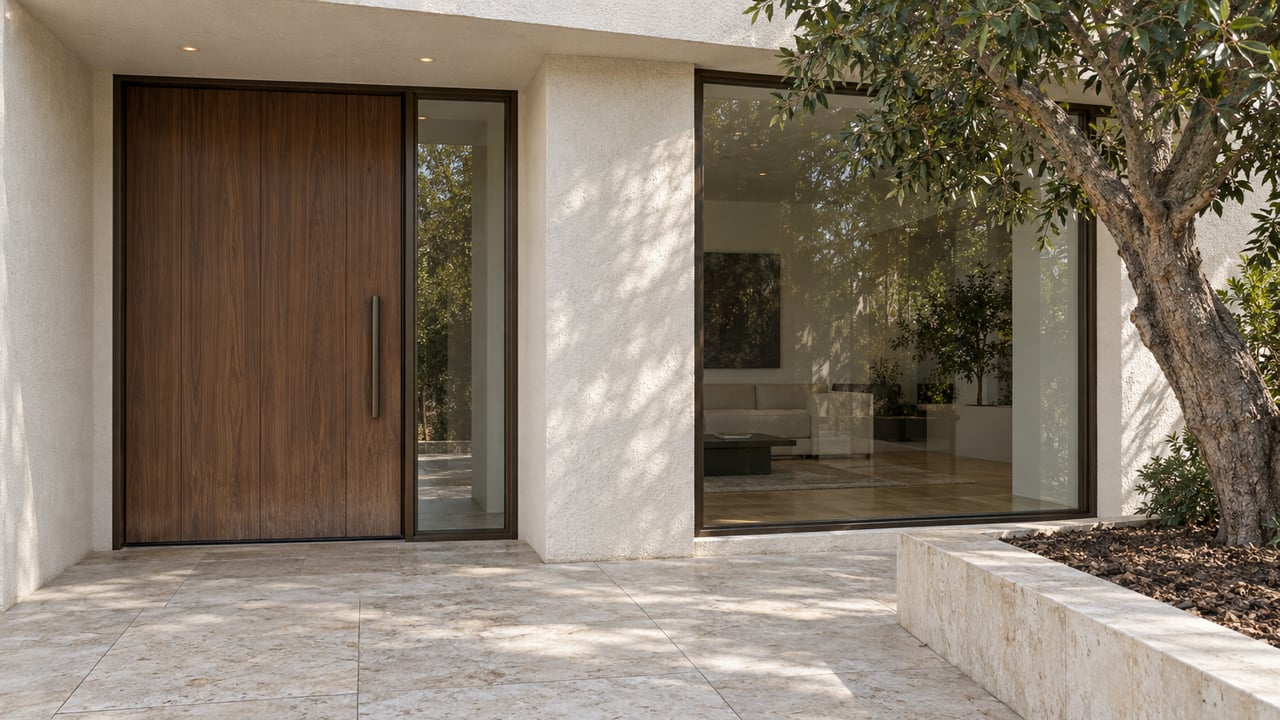
A modern direction can be an excellent fit, but only when it grows naturally from the house and its setting. In Pasadena, that usually means later-era ranch or mid-century homes, or areas where a cleaner contemporary language is already part of the neighborhood fabric.
In Linda Vista and Pegfair Estates, for example, ranch and contemporary ranch homes often include recessed entries, metal-framed windows, thin vertical siding, flagstone, and restrained detailing. In that context, a clean-lined remodel can feel native to the architecture rather than imposed on it.
For historic or contributing properties, modern work still needs discipline. Pasadena’s guidelines expect additions to respect existing proportions, massing, roof form, and window patterns. New work can be contemporary, but it should remain subordinate to the original house and clearly read as a later intervention.
Transitional
Transitional is often the most practical middle path. It works well when you want a calmer, updated home without going fully contemporary or fully period-correct. In Pasadena, this can be a smart strategy for houses that have already been altered over time and need one clear design language.
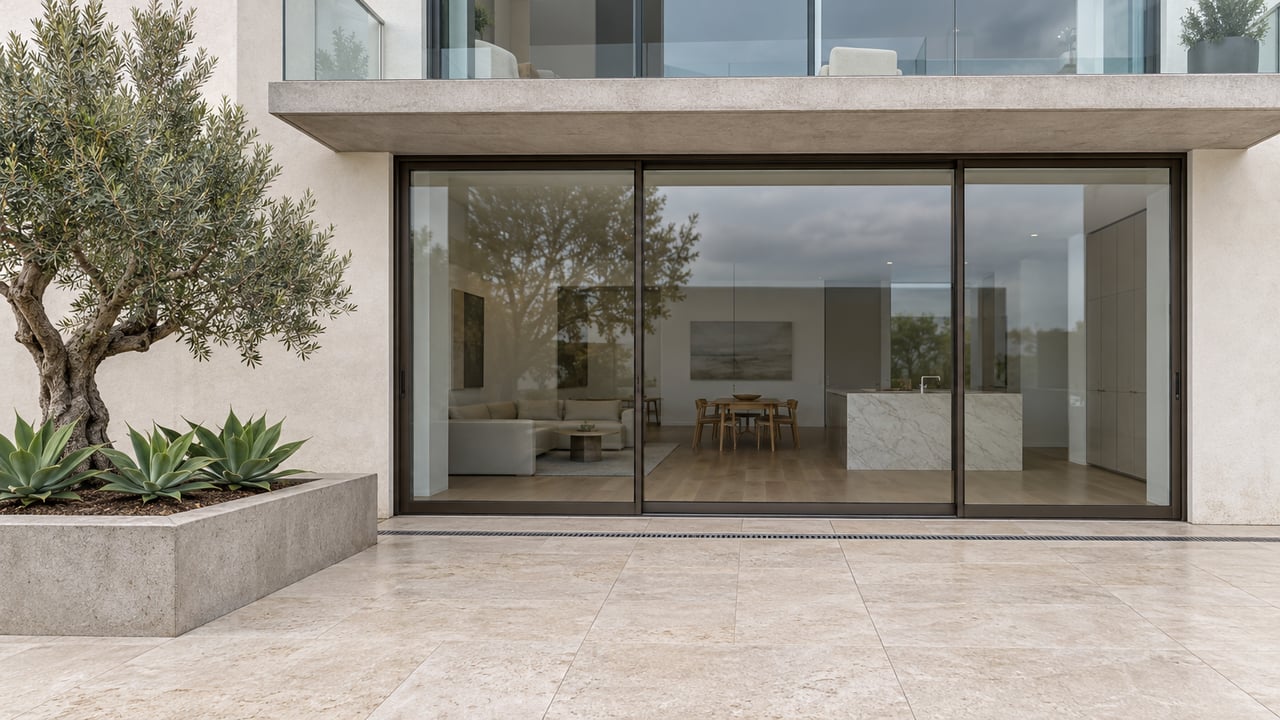
A transitional remodel often keeps the main roofline, porch relationship, window proportions, and key exterior materials while simplifying finishes and improving flow inside. It can also make room for more open living, better kitchen function, and stronger indoor-outdoor connection without stripping away the home’s identity.
This approach fits Pasadena’s compatibility-first planning framework. It is especially useful if your goal is to improve livability and protect resale appeal while keeping the house visually at ease with its neighborhood.
How Pasadena neighborhood context shapes the choice
Craftsman and bungalow areas
In Bungalow Heaven and similar early-20th-century neighborhoods, historically sympathetic or carefully transitional remodels usually make the most sense. On these streets, roof shape, porch depth, exposed structural elements, window proportions, and natural-material detailing all contribute to the block’s identity.
That does not prevent meaningful updates. It simply means the exterior should stay calm and coherent. You can modernize systems, improve circulation, and update kitchens and baths while still respecting the home’s architectural DNA.
Period Revival homes
Pasadena has a broad inventory of Period Revival homes, including Spanish Colonial Revival, Tudor Revival, Monterey Colonial, Queen Anne, and Shingle Style properties. These homes often benefit from a remodel strategy that preserves a strong front-of-house composition.
In practical terms, the biggest changes often work best at the rear, side, or within secondary rooms. That helps keep the primary street-facing elevation intact while allowing the house to adapt to current needs.
Ranch and mid-century homes
Later-developed Pasadena areas with ranch and mid-century housing often support a more modern or modern-transitional direction. These homes already follow a different design logic than a Craftsman or Spanish Colonial house.
Cleaner lines, slimmer profiles, simpler wall treatments, and more restrained detailing can all feel appropriate here. When the architecture already speaks that language, a modern remodel tends to feel more honest and resolved.
Floor plan decisions that age well
In older Pasadena homes, the safest plan changes usually preserve the room sequence that gives the house its character. That does not mean every wall must stay. It means you should be selective about what you remove and why.
A thoughtful remodel often focuses on:
- Improving circulation between key living spaces
- Expanding kitchen function
- Upgrading service areas
- Adding space at the side or rear when possible
- Keeping the original facade visually prominent
Pasadena’s guidance for additions supports this approach. Additions should generally be subordinate to the original house, placed to the side or rear when possible, and set back enough to preserve the prominence of the existing front elevation.
Materials matter more than most owners expect
The material palette often decides whether a remodel feels coherent or conflicted. In Pasadena, additions and exterior updates are generally strongest when they use materials similar to the original structure, with compatible roof forms and windows that feel related without requiring exact copies.
That principle can guide almost every style decision. A Craftsman home often wants natural materials and visible craftsmanship. A Spanish Colonial Revival home usually reads best with stucco and tile. A ranch or mid-century house may support slimmer profiles, metal-framed windows, and simpler surfaces.
If you want a more edited, design-forward result, the key is restraint. A limited palette with consistent proportions usually feels more sophisticated than mixing several competing ideas.
Resale value follows coherence
In Pasadena, resale logic is usually simple: the best remodel is the one that feels believable for the house and the neighborhood. Buyers notice when a home feels resolved. They also notice when the exterior promises one thing and the interior delivers another.
In preservation-sensitive areas, that often means a quieter street-facing elevation with the biggest updates handled more discreetly. In postwar neighborhoods, it may mean embracing a cleaner, more modern identity. Either way, coherence tends to age better than trend chasing.
For design-minded owners, that is good news. You do not have to choose between beauty and value. In many cases, the most marketable result comes from making disciplined decisions about proportion, materials, and architectural fit.
A simple rule for choosing your direction
If you are unsure where your remodel should land, use this practical framework:
- Choose historically sympathetic if your home is a strong original example, especially a Craftsman or Period Revival property in a historic district.
- Choose modern if your house is a later-era ranch or mid-century home, or if the block already supports a cleaner contemporary language.
- Choose transitional if you want the broadest balance between updated livability, neighborhood compatibility, and resale flexibility.
The right answer is rarely about copying a trend. It is about reading the house carefully, understanding Pasadena’s context, and creating a direction that feels both intentional and lasting.
When design, construction planning, and market positioning are considered together from the start, you can make better decisions with fewer compromises. If you’re planning a Pasadena remodel and want a clear design direction rooted in architecture, process, and long-term value, schedule a consultation with Steven James Design & Development.
FAQs
What design style works best for a Pasadena Craftsman remodel?
- A historically sympathetic or carefully transitional approach usually works best for a Pasadena Craftsman remodel because it preserves key features like porch depth, roof form, window proportions, and natural-material detailing.
Is a modern remodel appropriate for a Pasadena home?
- A modern remodel can be appropriate for a Pasadena home when the property is a later-era ranch or mid-century house, or when the surrounding neighborhood already includes a cleaner contemporary architectural language.
What does Pasadena review during a remodel project?
- Pasadena commonly reviews remodel elements such as windows, front porches, additions, fences, and new garages, and some designated or historic-district properties may require additional review for exterior changes.
How should I update the floor plan of an older Pasadena house?
- The safest approach for an older Pasadena house is usually to preserve the room sequence and character-defining spaces while selectively improving circulation, kitchen function, and service areas.
What materials make sense for a Pasadena remodel?
- The most appropriate materials for a Pasadena remodel are usually those that relate to the original house, such as natural wood and stone for Craftsman homes, stucco and tile for Spanish Colonial Revival homes, or slimmer profiles and simpler surfaces for ranch and mid-century houses.
How do I choose between modern, transitional, and historically sympathetic design in Pasadena?
- In Pasadena, choose historically sympathetic for strong original historic homes, modern for later-era ranch or mid-century properties, and transitional when you want a balanced update that improves livability while staying compatible with the house and neighborhood.