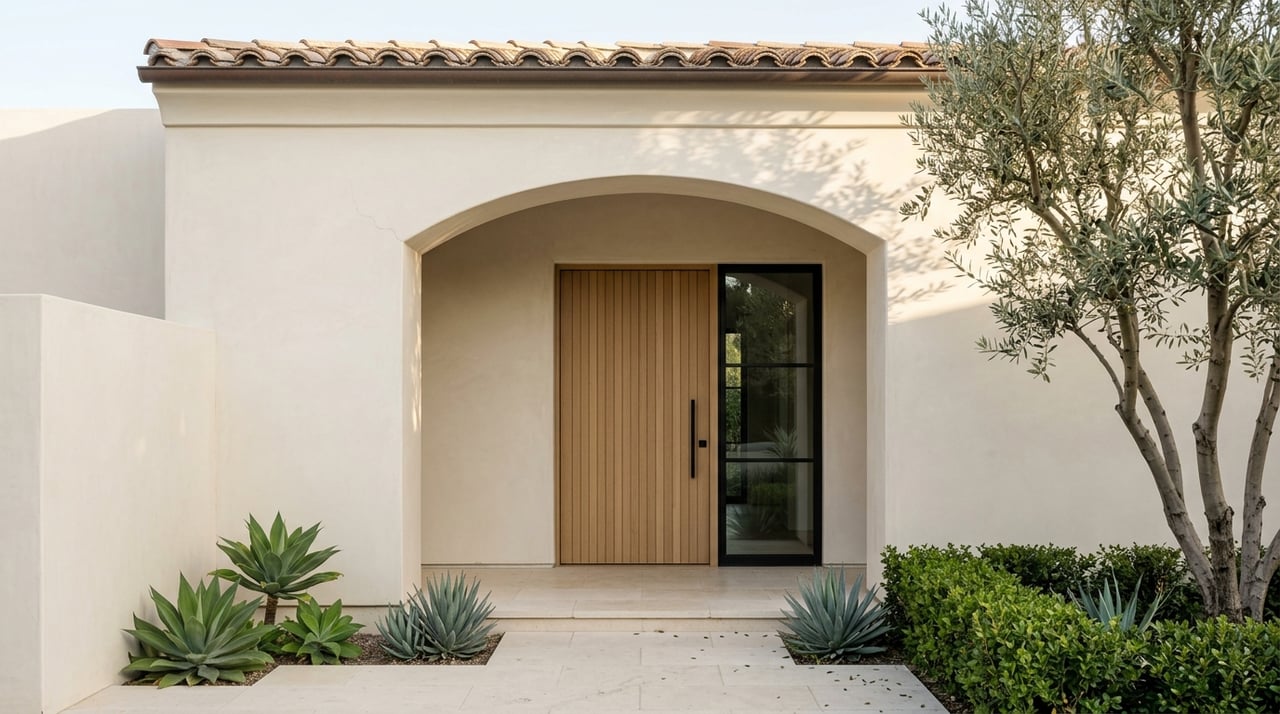
If you love an older Los Feliz home, you already know the tension: you want better function, more light, and modern comfort, but you do not want to strip away the very details that made you fall for the house in the first place. In a neighborhood where architecture carries real cultural and market value, the wrong remodel can make a home feel generic fast. The good news is that a thoughtful update can improve how you live while protecting what gives the home its identity. Let’s dive in.
Why character matters in Los Feliz
In Los Feliz, architecture is not just background. It is part of the neighborhood’s appeal, from landmark properties like Hollyhock House and the Ennis House to the wide mix of Spanish Colonial Revival, Mediterranean Revival, Colonial Revival, Streamline Moderne, Hollywood Regency, and Mid-Century Modern homes found nearby.
That mix matters because each style comes with its own design language. A successful remodel usually feels like a continuation of that language, not a reset. When updates respect the home’s original form, proportions, and materials, the result tends to feel more timeless and more convincing.
Start by identifying the home’s defining features
Before you move walls or pick finishes, look closely at what gives the house its character. In many Los Feliz homes, that may include room sequence, original trim, built-ins, fireplaces, plaster, wood windows, tile, or porch and courtyard details.
The first step is not asking, “What should we remove?” It is asking, “What is doing the architectural heavy lifting here?” Once you know that, you can plan upgrades around those elements instead of through them.
Style details worth protecting
Different home styles in Los Feliz tend to carry different features that deserve extra care.
- Spanish Colonial Revival: stucco walls, low-sloped clay tile roofs, arched openings, patios or courtyards, wrought-iron details, wood casement windows, and bracketed pent roofs
- Craftsman and bungalow homes: tapered porch posts, exposed post-and-beam construction, low-pitched roofs, and wide overhangs
- Mid-Century Modern homes: open floor plans, minimal interior walls, abundant glazing, expressed post-and-beam structure, gentle roof pitches, and strong indoor-outdoor flow
Protecting these features does not mean freezing a home in time. It means understanding what makes the architecture legible before you start changing it.
Preserve primary spaces first
Not every room in a house carries the same architectural weight. Preservation guidance separates primary spaces from secondary spaces, and that is a useful framework for any Los Feliz remodel.
Primary spaces are the rooms and features that most clearly convey the home’s historic character. Think formal living rooms, entry sequences, fireplaces, original stair halls, built-ins, and well-preserved public-facing rooms. These are often the places where proportion, material, and layout matter most.
Secondary spaces usually include kitchens, bathrooms, utility rooms, and other support areas. These spaces can often accommodate more change without weakening the home’s overall identity.
That distinction is important because it helps you modernize strategically. If the best room in the house is the living room, protect it. If the kitchen needs better storage, lighting, and function, that is usually where you can do more work with less architectural risk.
Be careful with open-concept changes
One of the fastest ways to flatten the personality of an older home is to remove walls without thinking about what the original layout was doing. In some houses, the sequence of rooms is part of the design. Once that sequence is erased, the architecture can lose its sense of rhythm and scale.
That does not mean you can never open a kitchen to a living area. It means the answer should come from the house itself. If a wall is part of a character-defining room relationship, removing it may weaken the design even if the new layout feels more open.
Ask better layout questions
Instead of defaulting to total wall removal, ask questions like these:
- Can circulation improve without changing the core room sequence?
- Can sightlines open up through selective adjustments rather than a full gut?
- Can storage, lighting, and appliance placement do more of the functional work?
- Can secondary spaces absorb the bigger interventions?
In many Los Feliz homes, restraint is what keeps the remodel elegant.
Kitchens and baths are often the best place to modernize
If you want a house to work better for daily life, kitchens and bathrooms are often the smartest place to focus. These rooms are usually considered secondary spaces, which means they can take more change while allowing the most character-defining spaces to remain intact.
That is where a design-led remodel can make the biggest difference. Better cabinetry, improved lighting, updated plumbing and electrical systems, and more efficient storage can transform how the house lives without turning it into something generic.
Keep original materials when they survive
If original finishes are still there, keep them whenever possible. Historic guidance favors repair over replacement, especially for trim, paneling, doors, flooring, plaster, tile, and other existing materials.
In practical terms, that may mean repairing woodwork, preserving period-appropriate tile, and choosing cabinetry and counters that sit quietly within the room. The goal is not to create a showroom kitchen disconnected from the house. The goal is to make the room function beautifully while still feeling like it belongs.
Add square footage without overpowering the house
Sometimes a home really does need more space. When that happens, the placement and scale of the addition matter as much as the design itself.
The strongest approach is usually to place additions at the rear or on an inconspicuous side of the house. New work should remain smaller in scale than the original structure and should be distinguishable as new rather than pretending to be old.
That last point is easy to miss. A well-designed addition should respect the original home without creating a false sense of history. If it copies the old house too literally, it can feel artificial. If it ignores the old house completely, it can feel jarring. The sweet spot is a clear relationship between old and new.
Improve light by restoring original patterns
Many Los Feliz homes already contain the ingredients for better natural light and comfort. Operable windows, clerestories, skylights, overhanging eaves, courtyards, patios, and thick plaster or masonry walls were often part of the original design logic.
That means you may not need dramatic changes to get a brighter, more connected home. In many cases, the better move is to restore or strengthen the house’s original relationship to light and landscape rather than forcing a one-size-fits-all open-plan formula.
Windows, patios, and courtyards need care
Windows are a common place where remodels lose their period feel. If windows need work, the safest route is usually repair first. If replacement is necessary, keeping the original openings and compatible proportions is critical.
Changing the size or rhythm of window openings can alter the exterior more than many owners expect. The same idea applies to porches, patios, and courtyards. These are often defining features, especially in Spanish Colonial Revival, bungalow, and Mid-Century homes, so enclosing or reshaping them should be handled with real caution.
Verify review and permit requirements early
Before construction starts, verify what rules apply to the property. In Los Angeles, if a home is located in a local historic district or HPOZ, exterior work including landscaping, alterations, additions, and new construction may be subject to additional review.
The City advises owners to verify designation in ZIMAS and confirm whether the structure is contributing, contributing altered, or non-contributing. That step matters because work completed without required HPOZ review can be subject to code enforcement and fines.
Separate from preservation review, standard permit requirements still apply. LADBS states that building permits are required for additions, structural alterations, and interior floor-plan changes. Some smaller projects may qualify for an express permit, including same-size, same-type window and door replacement, kitchen or bathroom remodels, plumbing fixture changes, and rewiring of outlets, while more complex work moves into plan check.
Incentives may affect your strategy
If your home qualifies as a historic resource, there may also be incentives worth reviewing early in the process. City Planning notes that the Mills Act may provide a potential property tax reduction for owners of Historic-Cultural Monuments and contributing properties within HPOZs.
For qualified historic buildings, the California Historical Building Code can also offer alternative safety paths. Another detail that matters: the federal rehabilitation tax credit applies to income-producing properties, not owner-occupied homes.
A better remodel starts with the right priorities
The most successful Los Feliz renovations usually follow a clear order of operations. First, identify what is essential to the house’s character. Then modernize the spaces that can absorb change. Finally, make sure any addition, opening, or systems upgrade supports the architecture instead of competing with it.
That approach aligns with how great homes hold value over time. Good remodeling is not just about making a home newer. It is about making it more livable while preserving the qualities that make it memorable in the first place.
For owners in Los Feliz, that often means a quieter kind of confidence: keeping the arches, the windows, the courtyard, the room sequence, or the original woodwork, then improving the house where improvement counts most. If you are planning a major remodel and want a design-led strategy that respects architecture while preparing the home for modern living and long-term value, schedule a consultation with Steven James Design & Development.
FAQs
What should you preserve first in a Los Feliz home remodel?
- Start with character-defining features such as primary rooms, original trim, built-ins, fireplaces, room sequence, wood windows, and architectural details tied to the home’s style.
Can you open the kitchen to the living room in a Los Feliz home?
- Sometimes, but it depends on whether that wall or room relationship is part of the home’s character. In many older homes, the layout itself contributes to the architecture.
Where should an addition go on a Los Feliz house?
- Rear or inconspicuous side additions are usually more compatible than front-facing changes, and the new work should remain smaller in scale than the original house.
Can you replace windows in a Los Feliz historic home?
- Repair is generally the preferred first step. If replacement is needed, the new windows should fit the original openings and maintain compatible proportions.
Do you need permits for a Los Feliz remodel?
- Usually yes. Additions, structural alterations, and interior floor-plan changes typically require permits, and HPOZ review may also apply if the property is in a local historic district.
Are there tax incentives for historic homes in Los Feliz?
- Potentially. The Mills Act may offer a property tax reduction for qualifying Historic-Cultural Monuments and contributing properties within HPOZs, depending on eligibility.