If you own property in Pacific Palisades, adding value is rarely about building the most square footage possible. In this market, the smarter play is usually the one that protects privacy, respects site constraints, and keeps your entitlement path clear. Whether you are thinking about an ADU, a future resale, or a more ambitious lot strategy, understanding the parcel first can save time and preserve value. Let’s dive in.
Why lot strategy matters in Pacific Palisades
Pacific Palisades is a highly site-specific planning environment. The Brentwood-Pacific Palisades Community Plan emphasizes scale, height, bulk, setbacks, appearance, and environmental resources, which means two nearby lots can have very different development paths.
That is especially important if you are evaluating an ADU or a broader redevelopment plan. In some areas, Coastal Zone review or local overlays may apply, and some parcels may also fall within the Pacific Palisades Commercial Village and Neighborhood Specific Plan. In practical terms, your lot’s zoning, overlay status, and physical conditions matter just as much as the address.
Start with the parcel, not the concept
A good value-add strategy starts with due diligence before design. In Pacific Palisades, that means confirming the zoning district, checking whether the property is in the Coastal Zone or a specific-plan area, and identifying hillside or other site constraints.
This matters because entitlement can change quickly from one block to the next. If you assume a standard path without checking parcel-level conditions, you can end up designing for an option that does not fit the site.
ADU options that can add value
For many owners, an ADU is the most flexible way to improve a property without committing to a full teardown. California’s ADU framework allows multiple approaches, and Los Angeles adds its own standards, including additional standards in certain hillside neighborhoods.
The right configuration depends on how you want the property to function. Some owners prioritize long-term rental income, some want space for family, and others care most about preserving the feel of the main house and yard.
Detached ADUs for flexibility
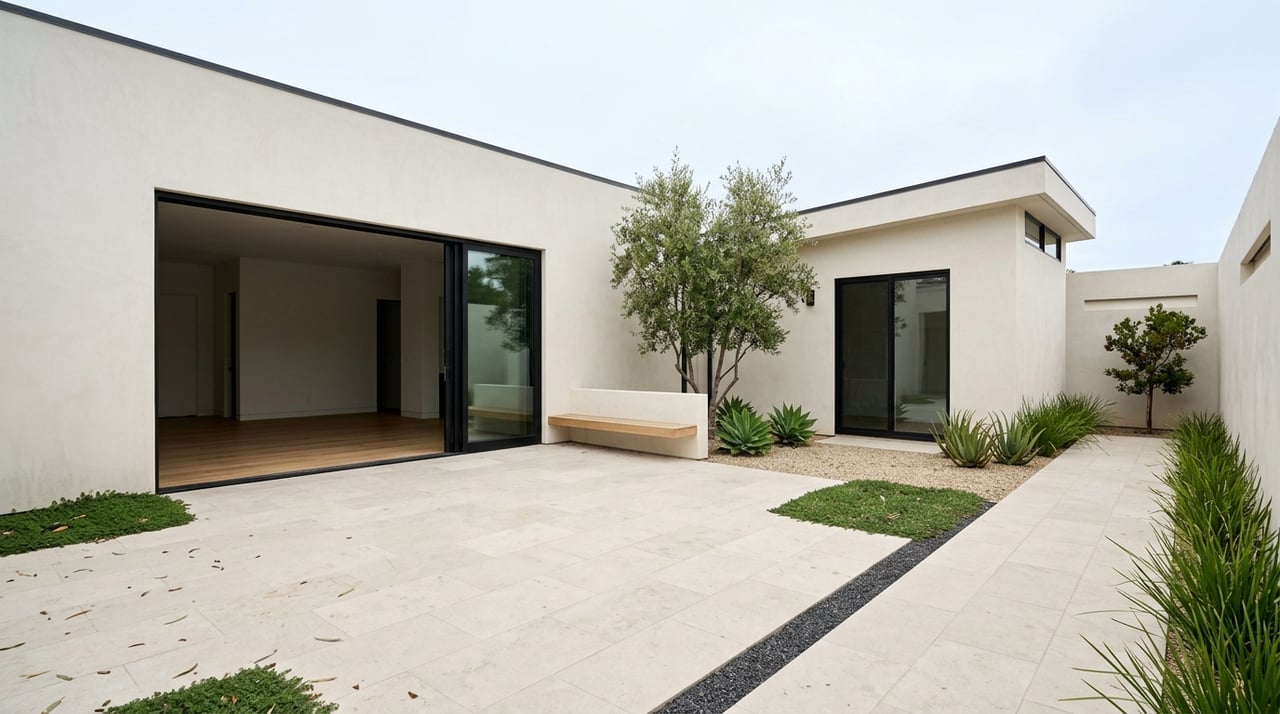
A detached backyard ADU can be a strong fit when you want a separate structure with privacy and independent use. In Pacific Palisades, this option often works best on lots where open space and access can still feel balanced after the addition.
State rules provide an important baseline here. A detached ADU must generally be allowed with at least 800 square feet of interior livable space and four-foot side and rear setbacks, and local rules on lot coverage, FAR, open space, and front setbacks cannot block that baseline.
Detached ADUs can support long-term rental use, guest or family living, or future resale flexibility. Newly constructed detached ADUs generally also require solar, which is worth factoring into early planning.
Garage conversions and interior conversions
If your goal is a lower-friction path, converting existing space is often the most straightforward move. Garage conversions and other conversions of existing space are commonly attractive because they can be faster to entitle and do not require replacement parking when parking is removed for a garage or carport conversion.
This approach can preserve more of the yard and maintain the original massing of the property. In a place like Pacific Palisades, where contextual design matters, that can be a meaningful advantage.
Attached ADUs and additions
An attached ADU can make sense when you want to preserve yard area or create a more integrated layout. This category can include additions, above-garage spaces, second-story ADUs, and other attached forms described by the state.
In design terms, attached solutions can be especially useful when you want the new living area to feel like a natural extension of the property rather than a separate object in the backyard. For Pacific Palisades lots, this can help maintain privacy, outdoor flow, and a lower-profile visual presence.
JADUs for compact utility
A JADU, or junior accessory dwelling unit, is a smaller option that must be contained within a single-family residence. It is limited to 500 square feet.
On a qualifying single-family lot, state law requires local agencies to allow a combination of at least one conversion ADU, one JADU, and one newly constructed detached ADU. That makes JADUs worth considering when you want to add utility without changing the basic footprint of the home too aggressively.
ADU rules that shape feasibility
ADU laws create opportunity, but the details still shape the outcome. In California, ADUs that qualify for ministerial approval are exempt from CEQA and should not go through public hearing or discretionary review.
That streamlined path is one reason ADUs can be attractive in Pacific Palisades. Even so, Los Angeles has city-specific standards, and some hillside areas have additional rules. In the Coastal Zone, additional setback rules may also apply if required by a local coastal program.
A few operating rules also matter when you are evaluating return and flexibility:
- Rentals created under the state-mandated ADU and JADU framework must generally be for terms longer than 30 days
- Owner occupancy usually cannot be required except in narrow circumstances
- Parking often cannot be required in certain cases, including when an ADU is within half a mile of transit
- LADBS offers a Standard Plan Program that can shorten plan check for repeated ADU designs
These points matter because they affect both the design brief and the long-term use case. A project that looks efficient on paper may become much more attractive when it also supports predictable rental terms and a cleaner approval process.
When SB 9 enters the conversation
If you are thinking beyond a single ADU, SB 9 is the other major pathway to evaluate. Los Angeles says SB 9 streamlines two-unit development and urban lot splits on qualifying single-family lots, and state guidance notes that it can facilitate up to four units on an eligible lot.
In Los Angeles, common examples include two single-family dwellings plus a detached ADU, or a lot split with a single-family dwelling and JADU on one lot and a single-family dwelling plus detached ADU on the other. For urban lot splits, both resulting lots must be at least 1,200 square feet and at least 40 percent of the original lot area.
That said, SB 9 is not a universal answer. Historic resources and certain environmentally sensitive, hazardous, or protected lands may be excluded, and local objective standards still apply.
The best strategy is not always max density
In Pacific Palisades, lot value often comes from optionality, not just unit count. A property that supports a clean, context-sensitive ADU plan can be more durable than one that chases the highest theoretical buildout but creates design friction, entitlement risk, or a compromised site layout.
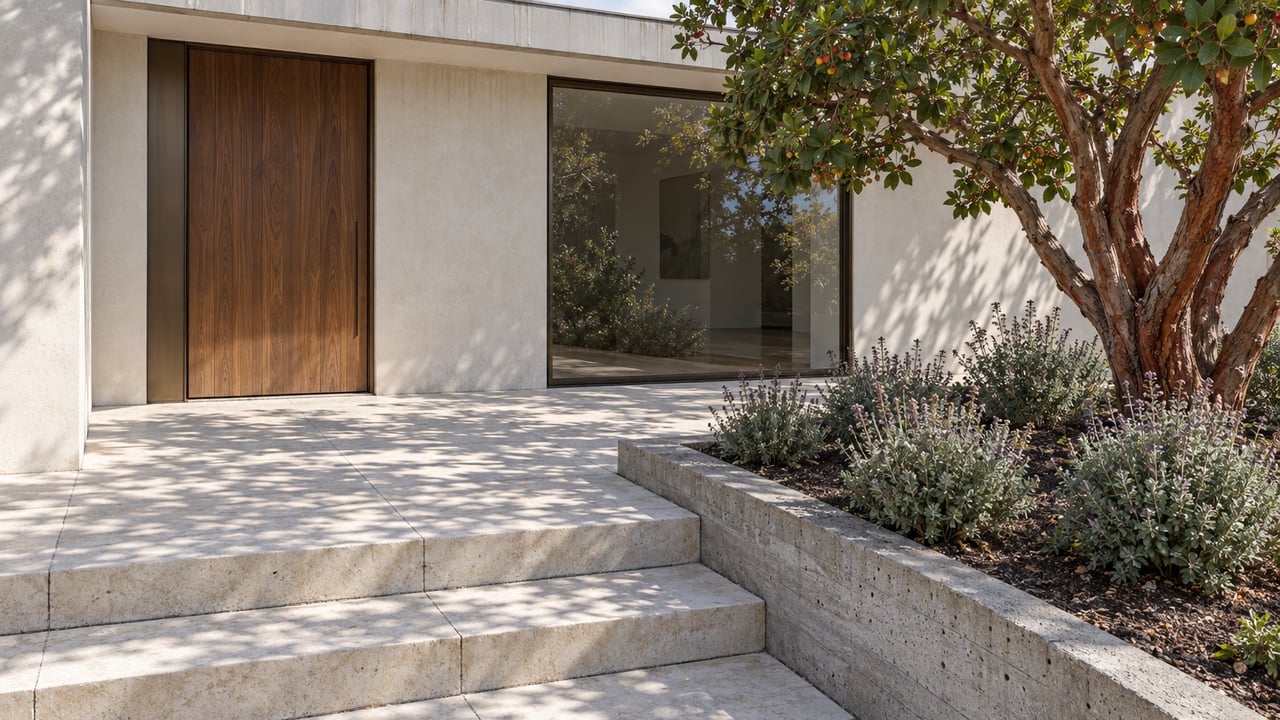
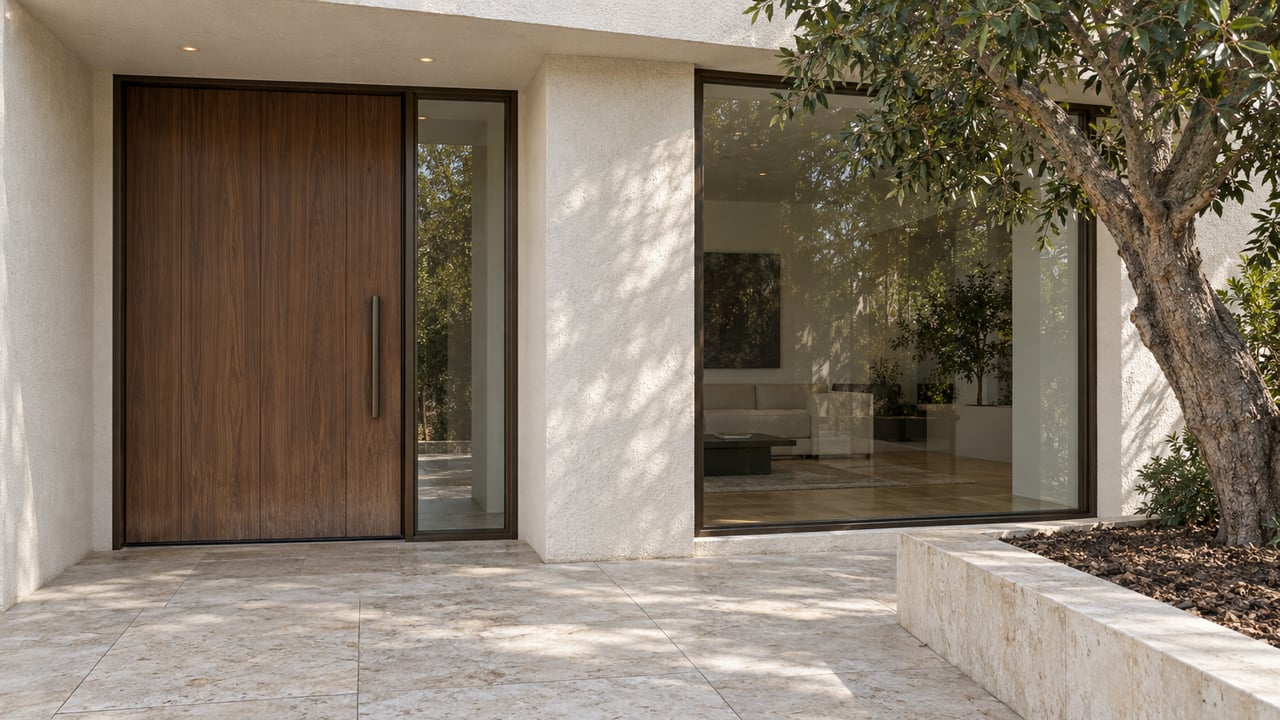
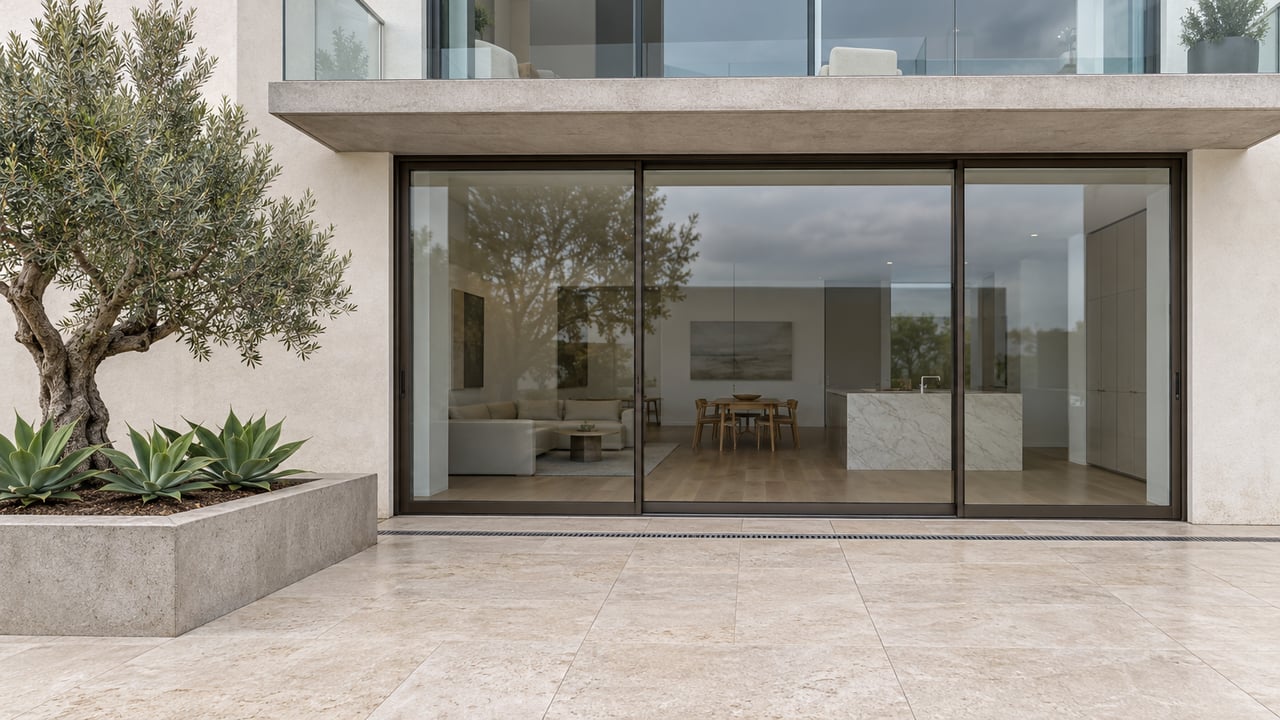
That is why the best projects here often feel measured. They protect privacy, preserve outdoor space, and read as part of the lot rather than as an inserted box.
From a market perspective, that can matter as much as square footage. Buyers and owners alike tend to respond to properties where utility, proportion, and site planning work together.
Design choices that protect value
The local planning context in Pacific Palisades strongly favors projects that respect neighborhood character. The Community Plan’s focus on scale, height, bulk, setbacks, and appearance suggests that successful additions and ADUs should feel visually calm and appropriately scaled.
In practical design terms, that often means:
- Low-profile massing
- Compatible rooflines
- Privacy screening
- Protection of mature trees where possible
- Outdoor spaces that remain connected to the main house
For design-minded owners, these decisions are not just aesthetic. They can affect how comfortably the new space fits the lot and how well the property performs later in the market.
A simple due-diligence checklist
Before you commit to a concept, it helps to run through a few basics. In Pacific Palisades, these checks can quickly clarify whether your best move is a conversion, detached ADU, attached addition, or SB 9 path.
| Question | Why it matters |
|---|---|
| What is the zoning district? | Zoning helps determine the baseline development path |
| Is the parcel in the Coastal Zone? | Coastal review and local coastal rules may affect feasibility |
| Is the parcel in a specific-plan area? | Local overlays can change standards and process |
| Is the site hillside or otherwise constrained? | Hillside rules and site conditions can shape design and approvals |
| Is existing space available to convert? | Conversions may offer a simpler path with fewer site impacts |
| Does the lot realistically support detached new construction? | Privacy, access, and yard quality may be affected |
| Is SB 9 worth exploring? | Some lots may support a broader value-add strategy |
This kind of front-end work is where a lot of value is either protected or lost. The more clearly you understand the parcel, the easier it is to choose a path that makes sense both financially and architecturally.
How to think about lot value long term
The strongest properties in Pacific Palisades usually balance entitlement clarity, livability, and design discipline. That can mean adding a detached ADU for family flexibility, converting a garage for efficient rental use, or holding off on a larger plan until parcel constraints are fully understood.
In other words, value here is often created by making the lot more useful without making it feel overworked. A clean entitlement path, contextual massing, and thoughtful placement can do more for long-term appeal than simply pushing density to the limit.
If you are weighing ADU potential or broader lot development in Pacific Palisades, a design-led feasibility review can help you see the strongest path before you invest in the wrong one. Steven James Design & Development offers an integrated approach across design, construction management, and brokerage so you can evaluate both project execution and market value with one team.
FAQs
What ADU types are allowed on a single-family lot in Pacific Palisades?
- On a qualifying single-family lot, California requires local agencies to allow at least one conversion ADU, one JADU, and one newly constructed detached ADU in combination.
What is a JADU in California?
- A JADU is a junior accessory dwelling unit that must be contained within a single-family residence and is limited to 500 square feet.
Can a garage conversion in Pacific Palisades require replacement parking?
- No. Los Angeles states that when parking is removed for a garage or carport conversion tied to an ADU, that parking does not have to be replaced.
Can an ADU in Pacific Palisades be rented short term?
- No. Rentals created under the state-mandated ADU and JADU framework must generally be for terms longer than 30 days.
Does every Pacific Palisades lot follow the same ADU process?
- No. Parcel-level factors such as zoning, Coastal Zone status, specific-plan overlays, hillside conditions, and other constraints can change the approval path.
When should a Pacific Palisades owner consider SB 9?
- SB 9 is worth evaluating when you are thinking beyond a single ADU and want to explore two-unit development or an urban lot split on a qualifying single-family lot.