Thinking about adding an ADU to your Pasadena property but unsure where to start? You are not alone. Between state ADU laws, local zoning, and historic districts, it can feel like a maze. The good news is that you can move forward with clarity once you understand the key rules and the right order of steps. In this guide, you will learn how ADUs work in Pasadena, what to verify before you design, and how to navigate permits, utilities, parking, and timelines. Let’s dive in.
ADU basics in Pasadena
Accessory Dwelling Units are secondary homes on the same lot as a primary residence. In Pasadena, you will typically see four types:
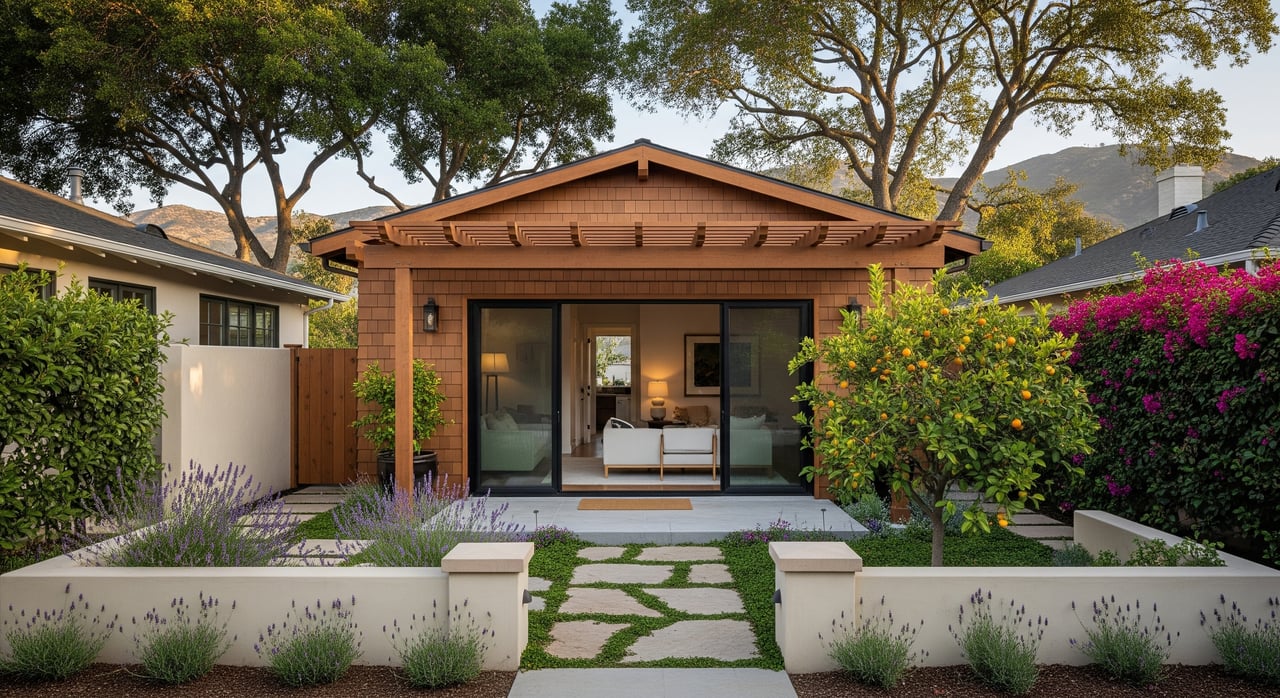
- Detached ADU. A freestanding structure in the rear or side yard.
- Attached ADU. An addition connected to the main house.
- Conversion ADU. A unit created within existing space, such as a garage, attic, or basement.
- Junior ADU (JADU). A smaller unit within the existing primary dwelling that has its own entrance and basic kitchen. By state rule, JADUs are capped at 500 square feet.
California state law sets a baseline that cities must follow. Pasadena then applies local zoning, objective design rules, building code, and in some areas historic review. Many ADUs can be approved through a ministerial process that focuses on objective standards.
Where ADUs are allowed
In most cases, ADUs are allowed on lots with an existing single family or multi family residence, subject to zoning. Start by confirming your zoning designation on the city’s maps and whether your property sits in any overlay, such as a Hillside or Historic Preservation Overlay Zone. Eligibility and the type of review depend on these local layers.
If your home is in an HPOZ or conservation area, plan for design review against objective historic standards. State law limits how historic review may restrict ADUs, but it does not remove design oversight. If you are in a hillside or wildland urban interface area, additional fire and access rules can apply.
Size, height, and setbacks
Local size limits and height vary by zoning and ADU type. Here is what you can usually expect to confirm:
- JADU size. Capped at 500 square feet and located within the existing primary home.
- Detached and attached ADUs. Many California cities allow detached ADUs in the range of roughly 800 to 1,200 square feet depending on lot and zoning context. Pasadena’s exact numbers, height limits, and floor area rules must be checked in the municipal code or ADU handout before you design.
- Setbacks. State law supports reduced setbacks for many detached ADUs, often allowing 4-foot side and rear setbacks. Local hillside, fire safety, or access standards may require more.
- Conversions. Converting existing permitted space often unlocks more flexible rules on size and setbacks, since you are working within the structure’s existing envelope.
Always verify Pasadena’s current standards for your zoning district and any overlays before finalizing plans.
Parking rules and common exemptions
Parking is a frequent stumbling block, but state law limits what cities can require. In many cases, no additional parking is required for an ADU when any of the following apply:
- The ADU is created from existing space, such as a garage conversion.
- The property is within one half mile of public transit.
- On-street parking permits are required but not available to the ADU occupant.
- The property is in a historic district where parking cannot be added without harming historic fabric.
If none of these exemptions apply, you may be asked to provide one off-street space per ADU. Confirm the parking requirement for your address, since zoning, parcel access, and overlays can change the outcome.
Utilities and hookups
Utility planning affects both budget and timeline. Review these early:
- Water and sewer. You may need a new or upsized connection depending on capacity and location of existing laterals. Contact Pasadena Water and Power to confirm service and meter policy.
- Separate meters. Some utilities allow or require separate meters for ADUs while others do not. Ask about meter options and potential upgrade costs.
- Electrical load. Many ADUs need a main panel upgrade or a new subpanel. Have a licensed electrician perform a load analysis during schematic design.
- Gas and HVAC. Conversions may reuse existing systems if capacity allows. Detached units typically need new lines and dedicated equipment.
Build your design around realistic utility layouts and coordinate these items in your permit set.
Fees, taxes, and insurance
- Permit and impact fees. State law limits some fees for smaller ADUs and requires proportionality. Pasadena’s fee amounts vary by size and scope. Check the city’s fee schedule during pre-design so you can budget accurately.
- Property taxes. An ADU built as new construction is generally assessed as a new improvement. The Los Angeles County Assessor will add the value of the ADU to your property’s assessed value while preserving your base assessment under Proposition 13 rules.
- Insurance. Adding a rental unit changes your risk profile. Talk with your carrier about landlord coverage and the cost of insuring a second dwelling on your lot.
Ministerial approval, HPOZ, and review
Most ADUs that meet objective standards are reviewed ministerially, which means staff verifies code compliance without discretionary hearings. If your property is within an HPOZ, design review still applies based on objective historic standards. Projects in hillside or wildland areas often include Fire Department review for access, construction methods, or defensible space.
Expect to submit a complete plan set that covers site plan, floor plans, elevations, sections, structural calculations, Title 24 energy compliance, utility plans, and any grading or drainage sheets if required. In historic areas you may need additional submittals, such as photo documentation and context studies.
A step-by-step ADU checklist
Use this concise workflow to move from idea to permit with fewer surprises:
- Verify zoning and overlays
- Confirm your zoning, lot size, and whether you are in an HPOZ, hillside, or wildland interface area.
- Schedule a preliminary consultation
- Contact Pasadena Planning and Community Development for a pre-application meeting or use any ADU intake checklist the city offers.
- Complete a site assessment
- Prepare a base survey or plot plan. Locate easements, utility laterals, driveway access, and any slopes or trees that affect design.
- Run utility checks
- Coordinate with Pasadena Water and Power for water and sewer capacity and meter policy. Arrange an electrical load analysis and confirm gas availability if needed.
- Define your concept
- Choose your ADU type. Align the program, target size, bedroom count, and parking approach with your lot and budget.
- Screen for historic and design requirements
- If you are in an HPOZ, review objective standards and anticipated documentation. Set expectations for design detailing and materials early.
- Prepare your permit set
- Assemble architectural plans, structural calculations, Title 24, and civil sheets if grading or drainage is required. Confirm plan format and submittal requirements with Building and Safety.
- Submit for plan check
- Expect staff corrections and be ready to respond quickly. Track fees so you understand what is due at issuance.
- Build and inspect
- Hire a contractor with ADU experience. Coordinate inspections, utilities, and any fire access requirements.
- Final approval and occupancy
- Secure final sign-off or a certificate of occupancy before you advertise or lease the unit.
Timelines and cost drivers
Timelines vary with project type and review path. Ministerial plan checks for straightforward projects can move in weeks, while complex sites or historic review can take longer. Conversions often build faster than ground-up detached units since the structure already exists.
The main cost drivers are foundation work, structural changes, utility upgrades, fire safety requirements in hillside areas, and compliance with historic design standards. Contractor availability and whether you pursue site-built or prefab solutions also affect cost and schedule. Use the pre-application phase to validate constraints so your plans and bids are realistic.
Rental strategy and operations
- Owner occupancy. JADUs commonly require owner occupancy. For standard ADUs, state law has limited owner-occupancy requirements, but local practice can evolve. Confirm Pasadena’s current policy.
- Short-term rentals. Many cities regulate short-term rentals separately. Check whether ADUs are eligible for short-term rentals in Pasadena and whether registration, permits, or transient occupancy taxes apply.
- Leases and tenant law. Long-term rentals must follow state and local landlord-tenant rules. Understand notice, habitability, and deposit requirements before you lease your unit.
- Property management. Plan for tenant screening, routine maintenance, and emergency response. Creating house rules for shared driveways, trash, and outdoor areas helps prevent conflicts.
Common pitfalls to avoid
- Designing before you verify zoning, overlays, and utility capacity.
- Overlooking HPOZ design standards that shape massing, windows, and exterior materials.
- Assuming standard setbacks or height limits without checking your district or hillside rules.
- Missing parking exemptions that could save space and cost.
- Underestimating utility upgrades, especially sewer laterals and electrical panels.
- Advertising for rent before final inspection and occupancy sign-off.
Who to contact for verification
- City of Pasadena Planning and Community Development for zoning, ADU guides, and pre-application meetings.
- Pasadena Building and Safety for plan check, permits, and inspections.
- Pasadena Water and Power for water, sewer, and meter policy.
- Pasadena Fire Department for access and defensible space in hillside or wildland areas.
- Pasadena Historic Preservation staff for HPOZ standards and review.
- Los Angeles County Assessor for property tax assessments on new improvements.
- California Department of Housing and Community Development for statewide ADU guidance.
- California Legislative Information for current ADU statutes.
- UC Berkeley Terner Center for research on ADU trends and impacts.
Verification checklist for your address
- Zoning designation, overlays, and HPOZ status.
- Allowed ADU types and whether your project can be processed ministerially.
- Pasadena-specific size, height, lot coverage, and setback limits.
- Parking requirement or applicable exemptions.
- Utility capacity and metering rules from Pasadena Water and Power.
- Required submittals, plan-check timing, and fee schedule.
- Fire access, sprinklers, or defensible-space requirements.
- Any historic review steps and documentation.
- Property tax impacts via the Los Angeles County Assessor.
Plan your ADU with a design-led partner
If you want a single team to help you scope the right unit, secure approvals, and deliver a build-ready plan, we can help. Steven James Design & Development offers site assessment, permit coordination, and vetted builder referrals, all guided by a clear design vision that considers resale and long-term value. Schedule a consultation to discuss your project and get a realistic roadmap from concept to completion.
FAQs
What are the basic ADU size limits in Pasadena?
- JADUs are capped at 500 square feet by state law and must be within the existing home. Detached and attached ADU size limits vary locally, often in the 800 to 1,200 square foot range in many California cities. Confirm Pasadena’s current limits for your zoning district.
Do I need parking for a Pasadena ADU?
- Often no, if you convert existing space, are within one half mile of public transit, are in an area with on-street permit restrictions, or are in a historic district that limits parking additions. If exemptions do not apply, one off-street space per ADU may be required. Verify for your address.
How close to the property line can I build a detached ADU?
- State law supports reduced side and rear setbacks, commonly 4 feet for many detached ADUs. Local hillside, fire, or access standards can require more. Always check Pasadena’s current rules for your lot.
What is ministerial approval for ADUs in Pasadena?
- Ministerial approval means staff checks your plans against objective standards without a discretionary hearing. Many ADUs qualify, but HPOZ projects or those seeking exceptions may face added review.
Will an ADU increase my Pasadena property taxes?
- Yes, typically the ADU is assessed as a new improvement and added to your assessed value by the Los Angeles County Assessor, while your base assessment is preserved under Proposition 13 practices.
Can I convert my existing garage into an ADU?
- In many cases, yes. Conversion ADUs benefit from favorable rules since they use existing space. Parking requirements are often reduced or waived for conversions, but verify design and fire access standards.
Are ADUs in Pasadena allowed as short-term rentals?
- Short-term rentals are regulated separately. Check Pasadena’s current STR rules to see if ADUs qualify and whether permits, registration, or taxes are required before advertising.