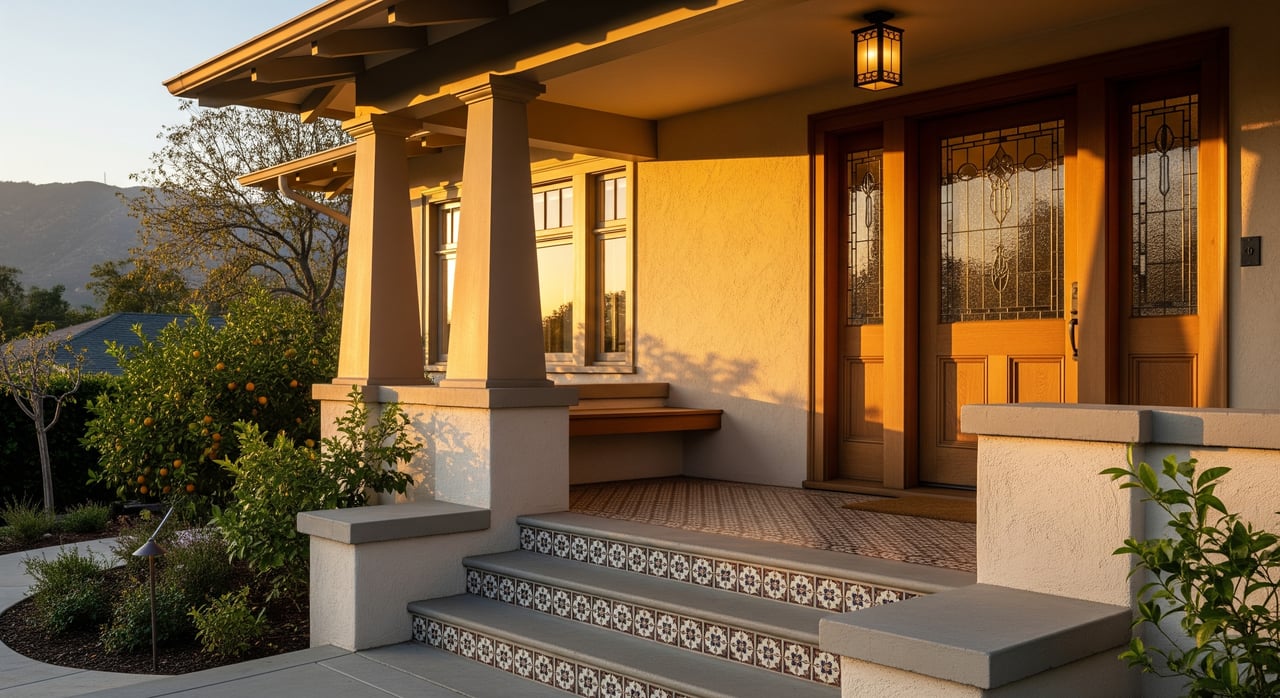
Shopping for a Craftsman in Pasadena can feel like treasure hunting. The best homes reveal their quality in the details you can touch and see. You want character without compromise, modern comfort without losing the soul of the house. In this guide, you will learn which original features matter most, which updates are worth it, and how to evaluate a property quickly and confidently. Let’s dive in.
What defines a Pasadena Craftsman exterior
Pasadena is closely tied to the Craftsman movement. Many homes from 1900 to 1930 showcase the style that buyers still seek today. On a walk-up, focus on the roofline, porch, and materials. These are the cues that signal authenticity and care.
Rooflines and eaves
Look for low-pitched gabled roofs with deep overhangs. Exposed rafter tails and knee braces under the eaves are strong tells. If you see a roof replacement that erased those details or added oversized dormers, the house may have lost some of its visual integrity.
Porches and supports
A true Craftsman porch feels substantial. Tapered square columns often sit on stone, brick, or concrete block piers. The porch roof should read as a natural extension of the main roof, with matching eaves and brackets.
Materials and texture
Pasadena examples often mix wood siding, shingles, clinker brick, river stone, and stucco. A battered chimney or a base in clinker brick is a good sign. Texture is part of the story, and heavy-handed smooth stucco or vinyl siding can flatten the look.
Windows and doors
Wood windows, typically double-hung or casement, often have multi-pane upper sashes or leaded glass. Front doors usually combine wood panels with glass lights and may include sidelights. Original or well-made replacements with true divided lights keep the façade believable.
Visible joinery
On higher-style examples, you may notice exposed beams, pegs, or tenons at key connections. These details speak to craft, and they are prized when intact.
Interior details buyers love
Inside, the materials and built-ins create the warmth buyers expect in Pasadena. A quick scan of the main rooms will tell you a lot about how a home was maintained or remodeled.
Millwork and finish carpentry
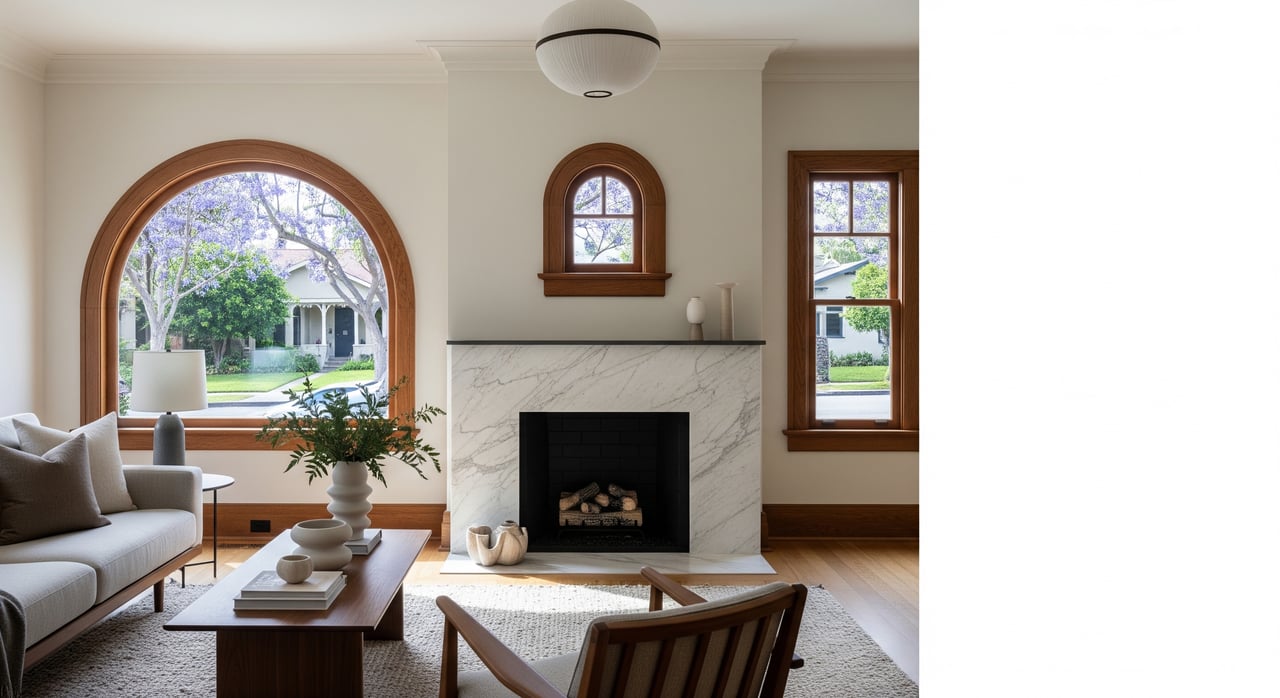
Continuous wood trim, thick band molding, solid baseboards, and window and door casings in quarter-sawn oak or similar woods are hallmarks. Natural finishes and a soft patina are desirable when clean and cared for.
Built-ins and plan elements
Look for bookcases with leaded glass, window seats, dining room sideboards or buffets, and original cabinetry. These pieces do double duty as storage and sculpture. If they have been removed to open rooms, some character may be lost.
Ceilings and fireplaces
Exposed or boxed beams, coved openings, and substantial hearths with distinctive tile or clinker brick set the tone. An inglenook around the fireplace, if present, is a signature feature worth preserving.
Flooring and paneling
Original hardwood floors and tongue-and-groove paneling or wainscoting support the whole composition. Refinishing with care can refresh rooms without erasing history.
Preservation vs. modernization that pays off
You can have the best of both worlds. Most buyers want original character with modern function. The key is scale, proportion, and restraint.
Keep these original features
- Built-ins, doors, and trim in good condition or professionally restored
- Authentic exterior materials, including porches, exposed rafters, and original chimneys or bases
- Art glass or leaded windows and original hardware
These elements are costly to replicate and instantly recognizable. They anchor the home’s identity and support resale.
Sensible updates most buyers welcome
- Kitchens with modern appliances and durable countertops that respect cabinet proportions and wood tones
- Bathrooms with updated plumbing and modest fixtures sized to the room, plus period-friendly tile
- Systems upgrades for electrical, plumbing, insulation, and HVAC, with ducting and equipment concealed from primary spaces
- Window strategy that favors restoration first; if replacements are necessary, match muntin patterns and sightlines with quality wood-clad or simulated-divided-light units
Changes that reduce appeal
- Removing built-ins and trim to force an open plan that flattens spatial hierarchy
- Using incompatible exterior materials like vinyl or aluminum over original wood
- Replacing wood windows with plain vinyl units that lose pattern and depth
- Large additions that ignore ridge heights, porch alignment, or original materials
Walk-through checklist for buyers
Use this quick list during showings. It will help you spot strengths, flag risks, and estimate the scope of sensitive improvements.
Exterior checks
- Roof and eaves: Are exposed rafters and knee braces intact and consistent? Any mismatched repairs?
- Porch: Are original tapered columns and piers present? Check stone or clinker brick condition and porch floor slope.
- Siding and masonry: Is original material visible and sound, or covered by later cladding that may hide issues?
- Windows and doors: Are wood sashes and divided lights original or high-quality replacements? Any signs of in-fill or odd sizes?
- Chimney and foundation: Look for masonry cracks, prior foundation work, or evidence of seismic retrofitting.
Interior checks
- Millwork: Note built-ins, mantels, doors, and casings. Are pieces complete and repairable?
- Floors: Identify original hardwood vs. replacement. Look for unevenness or patching.
- Ceilings and beams: Check for intact beam patterns or beadboard and any repairs that interrupt them.
- Systems: Locate the electrical panel, HVAC equipment, and plumbing runs. Ask about insulation and supply materials.
- Alterations: Did wall removals change circulation or eliminate storage that anchored the plan?
Smart questions to ask
- Are there original plans, builder or architect records, or historic photos?
- Has the home been reviewed by a local historic district or subject to a preservation covenant?
- When were the roof, electrical, plumbing, and HVAC last updated, and are there permits or records?
- Has the house had seismic retrofits or foundation work? Any engineering documents?
- Are there local review requirements or easements that affect exterior changes?
Renovation approaches that protect value
A thoughtful update keeps what matters and improves what you live with every day. The goal is to align scale, material, and proportion with the original house.
Principles to guide work
Repair before replace. Wood windows and millwork can often be restored with long-term value in mind.
Match scale and proportion. Align new trim, cabinet heights, cornice lines, and window rhythms to original dimensions.
Make new work legible but compatible. You want additions that read as sympathetic, not competitive, to the old fabric.
Conceal modern systems. Route ducts in secondary spaces or consider compact systems to avoid bulky intrusions.
Updates that balance old and new
- Kitchen strategy: Keep or replicate built-in cabinets or sideboards. Use Shaker or Craftsman-influenced door profiles, warm wood tones, and hardware that suits the era. Place appliances to preserve sightlines and circulation.
- Bathroom strategy: Choose modest-scale tile like classic subway or small formats. If you can, restore a quality tub or wainscot and pair with simple modern fixtures.
- Window strategy: Restore original wood units where feasible. If you must replace, choose wood-clad or fiberglass units that keep muntin patterns and sightlines. Preserve transoms and any leaded lights.
- Energy and seismic: Add insulation where possible without harming surfaces, consider storm windows, and complete foundation bolting and bracing. Keep documentation for buyer confidence.
Local context and resources
Pasadena’s identity is deeply connected to Craftsman architecture, from high-style Greene and Greene houses like the Gamble House to intact bungalow districts such as Bungalow Heaven. If your property sits in a designated historic district or overlay, exterior changes may need review by the City of Pasadena. Interior work is often less regulated, but you should verify current requirements early in your planning.
Local organizations such as Pasadena Heritage and the Los Angeles Conservancy offer helpful summaries and orientation materials. National groups like the National Trust for Historic Preservation and the Historic American Buildings Survey can provide broader guidance and reference images. For permits and exterior approvals, always check with the City of Pasadena’s planning and historic preservation staff before you start design work.
Bring it all together
When you protect core Craftsman elements and update with restraint, you give buyers the experience they come to Pasadena to find. You also reduce risk during inspections and build a stronger story at resale. If you want a partner who blends design sensitivity with construction management and brokerage strategy, we can help align your plan with market expectations and execute the work that matters.
Ready to evaluate a home, plan upgrades, or prepare a listing? Connect with Steven James Design & Development. Schedule a consultation to discuss your project.
FAQs
Do buyers prefer original or replacement windows in Craftsman homes?
- Many buyers favor restored original wood windows for authenticity, and if replacements are needed, high-quality, period-appropriate units are better than plain vinyl.
Will keeping built-ins limit how I modernize a Craftsman kitchen or living room?
- Usually no, since built-ins add character and storage, and modern kitchens and baths can integrate well while preserving original circulation and proportions.
Will a historic district slow my Pasadena renovation?
- Exterior work in designated districts often requires review and permits, while interior work is typically less regulated, so check local processes early.
Which renovations deliver the best resale response in a Craftsman?
- Systems upgrades, a well-executed kitchen that respects scale and cabinetry, and restored millwork or windows tend to perform best, while over-modernizing key features can hurt appeal.