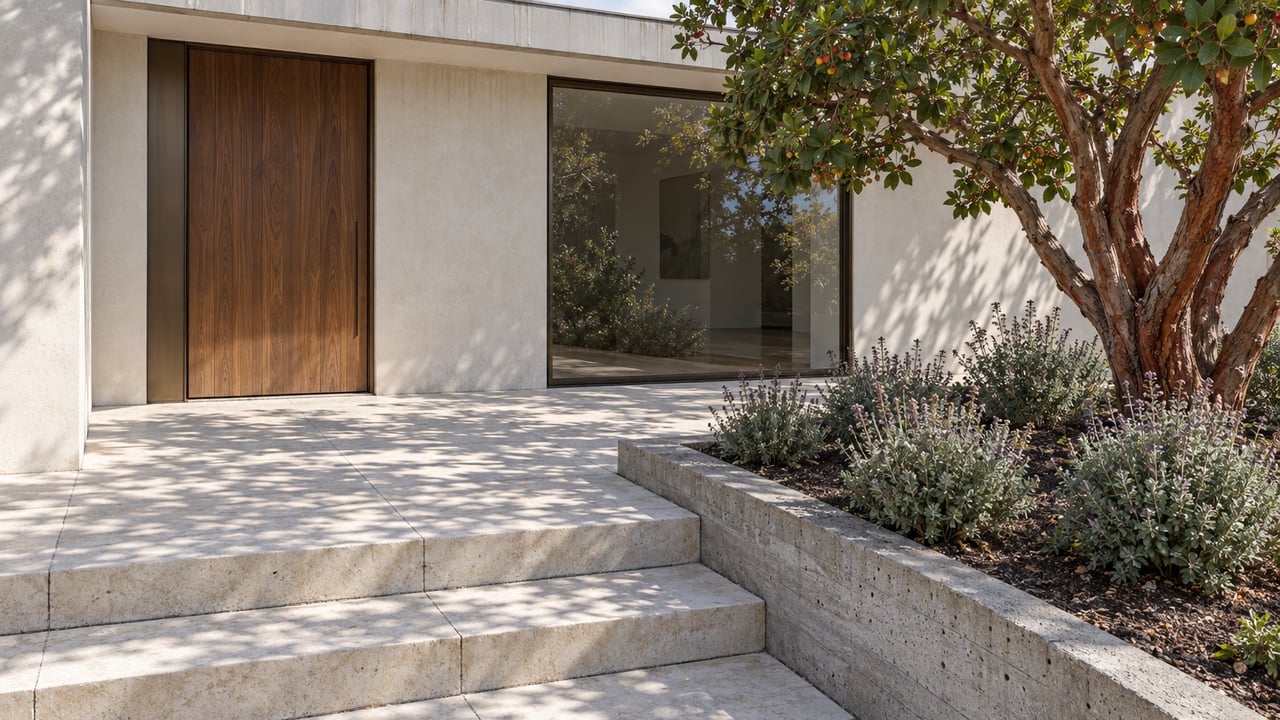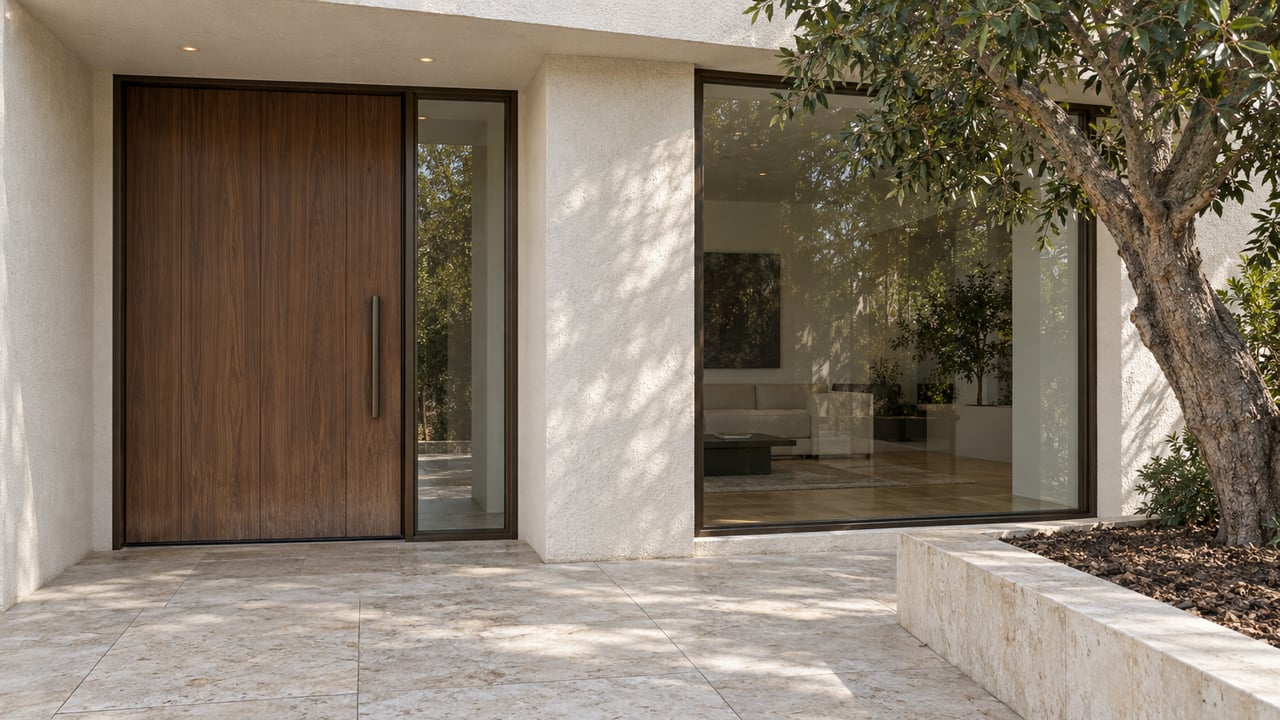
Should you pour energy into your Pasadena home or start fresh somewhere new? It is a real question for many owners here, especially with older houses, tight inventory, and careful local rules. You want clarity, not guesswork. In this guide, you will see how to compare costs, permits, timelines, and resale upside so you can move forward with confidence. Let’s dive in.
Pasadena reality check
Housing stock and character
Pasadena has many early 20th century homes alongside mid‑century and newer infill. Craftsmans, Tudors, and Spanish Revival houses often have original details, smaller kitchens and baths, and systems that need updating. Many remodels here focus on kitchens, bathrooms, floor plan tweaks, and light while respecting historic fabric.
Neighborhood factors
Historic districts and conservation overlays can limit exterior changes and add review steps. Suburban areas like Hastings Ranch or San Rafael Hills may offer easier lot expansion or ADU options than compact Old Pasadena parcels. Proximity to the Metro Gold Line, Pasadena Unified schools, and job centers influences demand, so upgrades that improve walkability, outdoor living, and daily comfort often help at resale.
Market context
Greater Los Angeles pricing, limited inventory, and mortgage rates shape whether a move is realistic. Upsizing or shifting neighborhoods may require larger down payments and higher carrying costs. Before you choose a path, compare current neighborhood comps and absorption trends with a local agent to understand buyer demand and pricing.
Cost and financing at a glance
Remodel cost tiers
- Cosmetic refresh: paint, floors, and fixtures can lift your home’s feel on a shorter timeline.
- Kitchen and baths: these are mid‑to‑high cost projects and often drive the most perceived value.
- Additions or ADUs: require structural work, utilities, permits, and carry higher costs.
- Systems upgrades: HVAC, electrical, plumbing, seismic, and roof are common needs in older homes. Some can be required once a permit triggers code updates. Southern California costs tend to be higher than national averages, so gather multiple local bids.
Moving costs to budget
- Selling costs: agent commissions, closing and escrow fees, and home prep or staging.
- Buying costs: down payment, loan fees, closing costs, and moving.
- Overlap risk: if you buy before you sell, plan for carrying two mortgages or temporary housing.
Financing options
- Cash‑out or rate‑and‑term refinance to access equity.
- Home equity loan or HELOC, with fixed or variable rates.
- Renovation loans when you plan to buy and remodel together.
- Construction loans for major additions, with draw schedules and conversion to permanent financing.
- Remember carrying costs during construction, including mortgage, taxes, utilities, and possible temporary housing.
Permits and zoning in Pasadena
What triggers permits
Kitchen or bath updates without structural work usually move faster. Additions, ADUs, and exterior changes in historic areas require broader review. Structural changes, footprint changes, and new dwelling units are likely to trigger more approvals, neighbor notice, or design review.
Timelines to expect
Plan‑check and permits can take weeks for smaller scopes and months for complex projects. Construction adds weeks to many months, depending on scope and scheduling. For projects that may need historic review or variances, seek early feedback through pre‑application conversations with the City.
Historic review and ADUs
Exterior changes in historic districts may need review by staff or the Historic Preservation Commission. Some homes have individual historic status, which increases oversight. ADUs are supported by state law, and Pasadena offers local guidance, but feasibility still depends on setbacks, lot coverage, parking, and utility capacity. Expect utility connection steps and related fees.
Energy codes and incentives
California Title 24 requires energy measures on remodels and additions. Upgrades like insulation, efficient windows, and heat pumps can raise comfort and reduce operating costs. Pasadena Water & Power may offer rebates or electrification incentives. Confirm current programs before you finalize scope.
Design choices that sell here
High‑value upgrades
- Kitchens with modern appliances, durable finishes, and better flow.
- Bathrooms with improved layouts and quality fixtures.
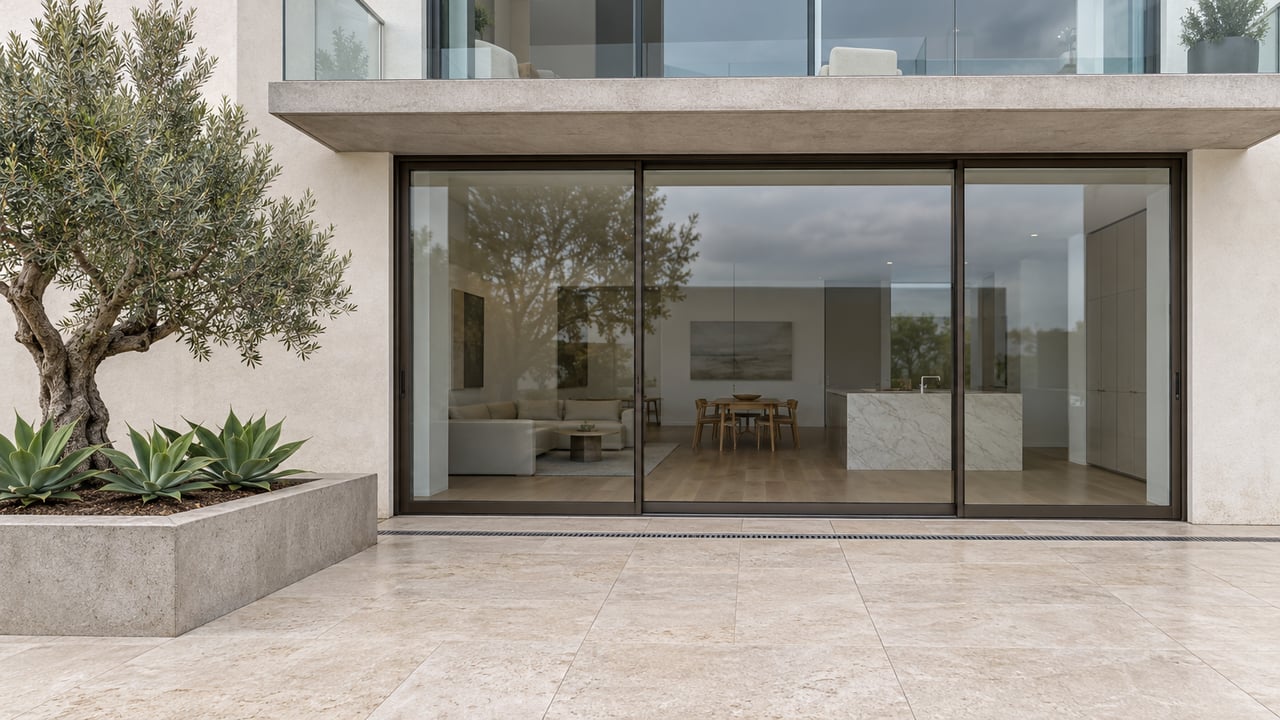
- Indoor‑outdoor connections: sliders, patios, landscape lighting, and shade that extend living space.
- Systems and comfort: efficient HVAC, insulation, windows, and modern electrical that supports EV charging.
Pitfalls to avoid
- Over‑customization that limits broad buyer appeal.
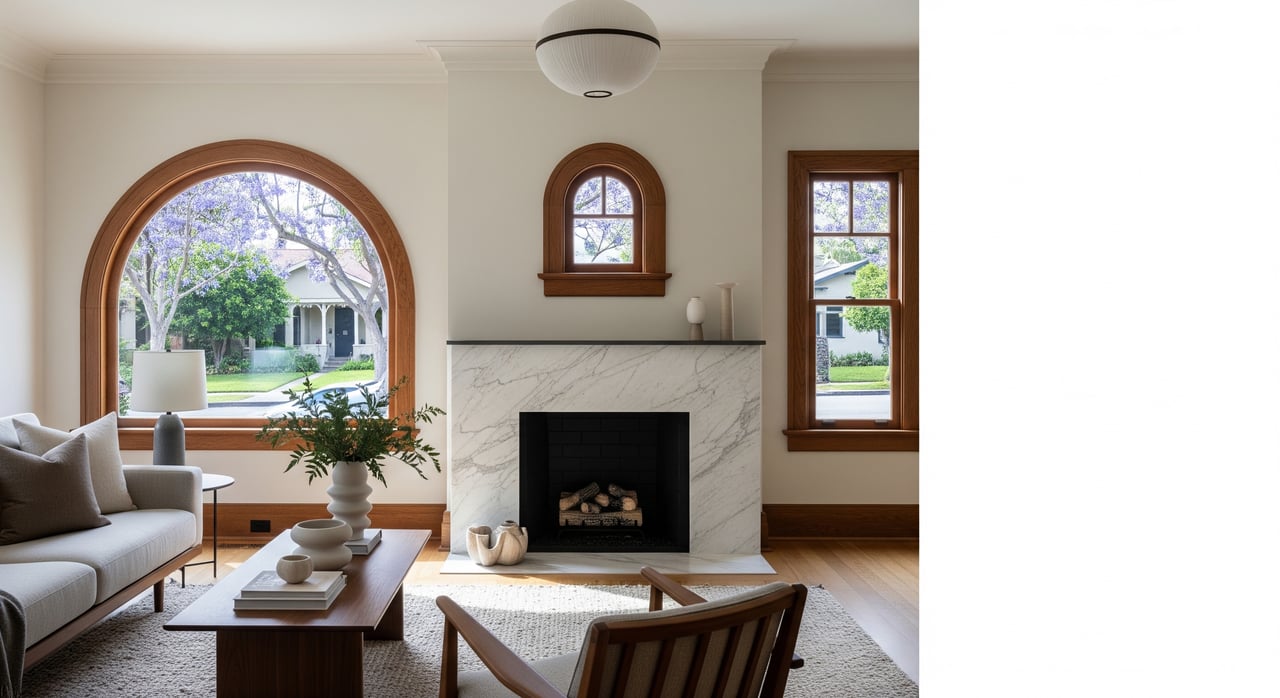
- Removing character‑defining elements in neighborhoods that prize original details. Thoughtful updates that honor period charm often perform better than stark, out‑of‑context changes.
ADUs as a value play
ADUs can add rental income, space for multi‑generational living, or resale appeal. They can be faster or more cost effective than a large addition, but still require full permitting and realistic budgeting. Align design and siting with setbacks, utilities, and privacy so the ADU enhances, not compromises, the main home.
Timeline comparison
- Minor remodel: weeks to a few months.
- Major interior remodel with systems: 3 to 6 months or more, including permits.
- Additions or ADUs: 6 to 18 months or more, based on complexity and review.
- Sell and buy: 2 to 6 months or more, depending on market conditions, house‑hunt timing, and financing.
A simple decision framework
Define your goal
Are you solving comfort and systems, seeking a design transformation, or adding space? Clarity here prevents scope creep and keeps the budget aligned with outcomes.
Run two budgets
Build a conservative remodel budget that includes a 15 to 25 percent contingency for unknowns. Build a separate move budget that includes commissions, closing costs, moving, and potential overlap. Compare monthly payments, cash needs at closing, and risk tolerance.
Feasibility check
Confirm zoning, FAR, setbacks, and lot coverage before you fall in love with a plan. If you are in or near a historic district, expect extra review for exterior work. For ADUs or additions, test early with an architect or designer so you understand footprint limits and utility pathways.
Lifestyle and timing
Can you live through construction or will you need temporary housing? If moving, is there enough inventory in your target neighborhood at your budget, and can you coordinate closing dates? Align the plan with family schedules, work, and school calendars.
Resale strategy
Design with your future buyer in mind. In Pasadena, updated kitchens and baths, improved light, and preserved character often deliver stronger reception. Use high quality materials where they count, and avoid overly niche decisions that limit appeal.
Pasadena scenarios
When remodeling makes sense
- You love your block and daily rhythms, and moving would reduce walkability or change your school path.
- You can achieve needed space or function within zoning, setback, and budget limits.
- An ADU or additional bedroom solves a need and may add long‑term value or income.
- Your home’s historic character is an asset that thoughtful upgrades can elevate.
When moving makes sense
- You need a different layout that your current house and lot cannot support.
- The cost to add space or overhaul systems approaches, or exceeds, the gap to buy a move‑in ready home in your target area.
Your next steps
Get a feasibility snapshot: zoning limits, historic status, ADU potential, and energy requirements.
Price both paths: obtain at least two contractor estimates and, if needed, an architect or designer consult. Build full move and remodel budgets with contingencies.
Validate market timing: review comps, buyer demand, and listing windows with a local agent.
Decide with confidence: align scope, budget, and schedule with your lifestyle and long‑term goals.
If you want an integrated, design‑led plan that considers both construction realities and market value, we can help you map the path. Schedule a friendly consult with Steven James Design & Development to explore your options and get a clear plan.
FAQs
How to decide between remodeling or moving in Pasadena
- Compare two full budgets, align with zoning and historic limits, factor in timeline and living needs, then choose the path that delivers your must‑haves with the least risk.
What Pasadena permits and timelines should I expect for a remodel
- Simple interior work can clear in weeks, while additions, ADUs, and historic‑area exteriors can take months for review and construction. Start with early City feedback.
Are ADUs feasible in Pasadena and do they help resale
- Many lots can support an ADU under state law, subject to setbacks, utilities, and parking. A well‑designed ADU can add flexibility, income potential, and buyer interest.
What financing options can fund a Pasadena remodel
- Consider a cash‑out refinance, HELOC, renovation loan, or construction loan for larger work, and include carrying costs like mortgage, taxes, utilities, and temp housing.
How do I estimate ROI for a Pasadena kitchen or bath remodel
- Use local comps and regional Cost vs. Value data to set expectations, favor quality and function, and preserve character where it matters to local buyers.