If you love clean lines, sunlit rooms, and city lights stretching to the ocean, the Hollywood Hills are your playground. Still, it can be hard to decode why two neighboring homes feel so different or which updates actually matter. In this guide, you’ll learn how to read key styles, understand hillside rules and hazards, and spot upgrades that add both comfort and value. Let’s dive in.
How the hills shape design
Steep terrain drives everything. Floor plates step with the slope, foundations get engineered, and retaining walls do heavy lifting. Permits often include grading and geotechnical reviews, so expect those in a home’s file when you see major remodels or new pools. To get a sense of the process and common approvals, start with Los Angeles Department of Building and Safety guidance on hillside plan checks and permits. You can review those standards and submittals in the city’s permitting resources on LADBS.
Visibility also matters. Homes along or near Mulholland Drive face special review for how they look from the ridge. The Mulholland Scenic Parkway guidelines influence how massing, materials, and lighting present to the corridor, which can shape the look and placement of additions or new builds.
Safety is a priority on these slopes. Much of the Santa Monica Mountains, including large parts of the Hollywood Hills, falls within mapped fire‑hazard zones. That affects vegetation choices, defensible space, and disclosure requirements when you sell. You can see current state mapping on CAL FIRE’s Fire Hazard Severity Zones page. Earthquakes are another reality. For older homes, voluntary seismic work like brace‑and‑bolt can improve resilience, and California’s retrofit programs have helped thousands of owners complete code‑based upgrades. Learn more about program milestones and verification in the Earthquake Brace + Bolt updates from the California Earthquake Authority.
Signature styles to know
Midcentury modern
This is the classic steel‑and‑glass, view‑forward house. Look for low or flat roofs, exposed steel or post‑and‑beam structure, long runs of plate glass, and living areas that open to a terrace or pool. The logic is simple and powerful: close to the street, open to the view. Pierre Koenig’s Stahl House (Case Study House #22) is a defining example, and it captures the Hills’ essentials: a crisp structure, an L‑shaped plan, and a swimming pool that visually merges with the skyline. You can read about its design on the University of Washington’s PCAD archive.
What to spot in listings: 20‑foot glass modules, an open living‑dining L‑plan, cantilevered decks, and minimal built‑ins. Authentic midcentury homes often keep original window modules and post‑and‑beam rhythm; quality updates respect that framework.
Contemporary glass pavilions
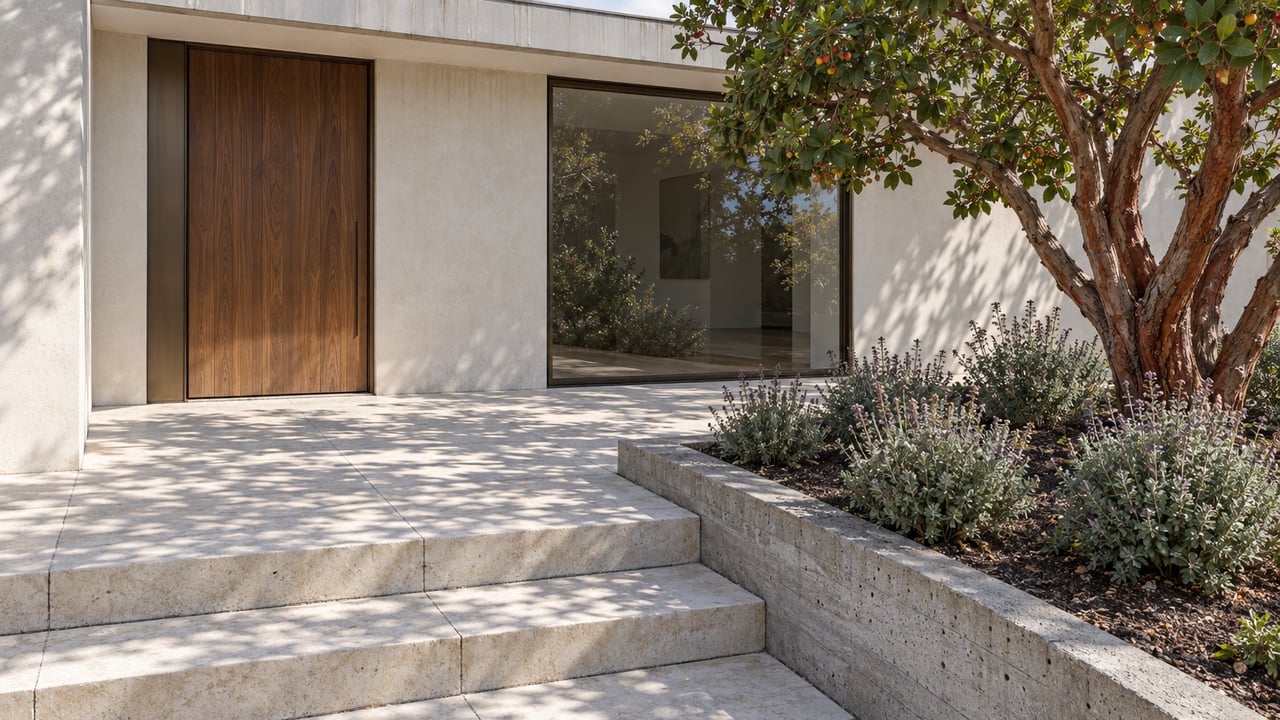
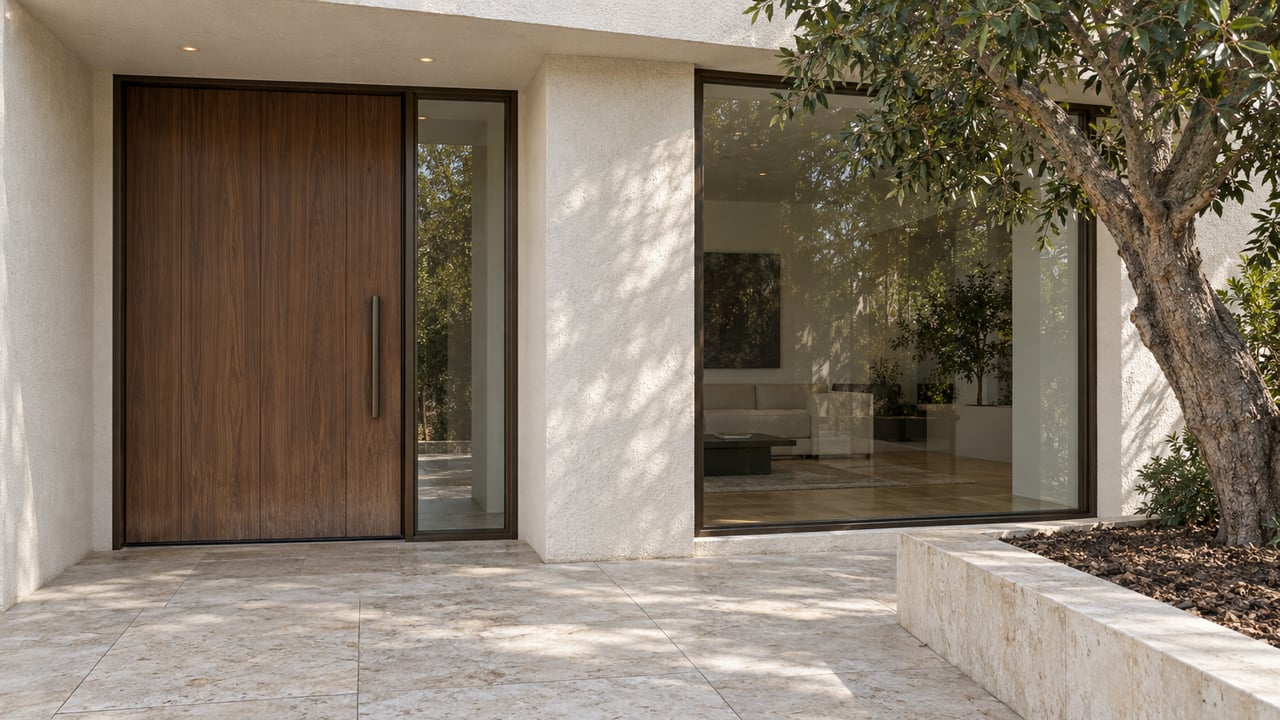
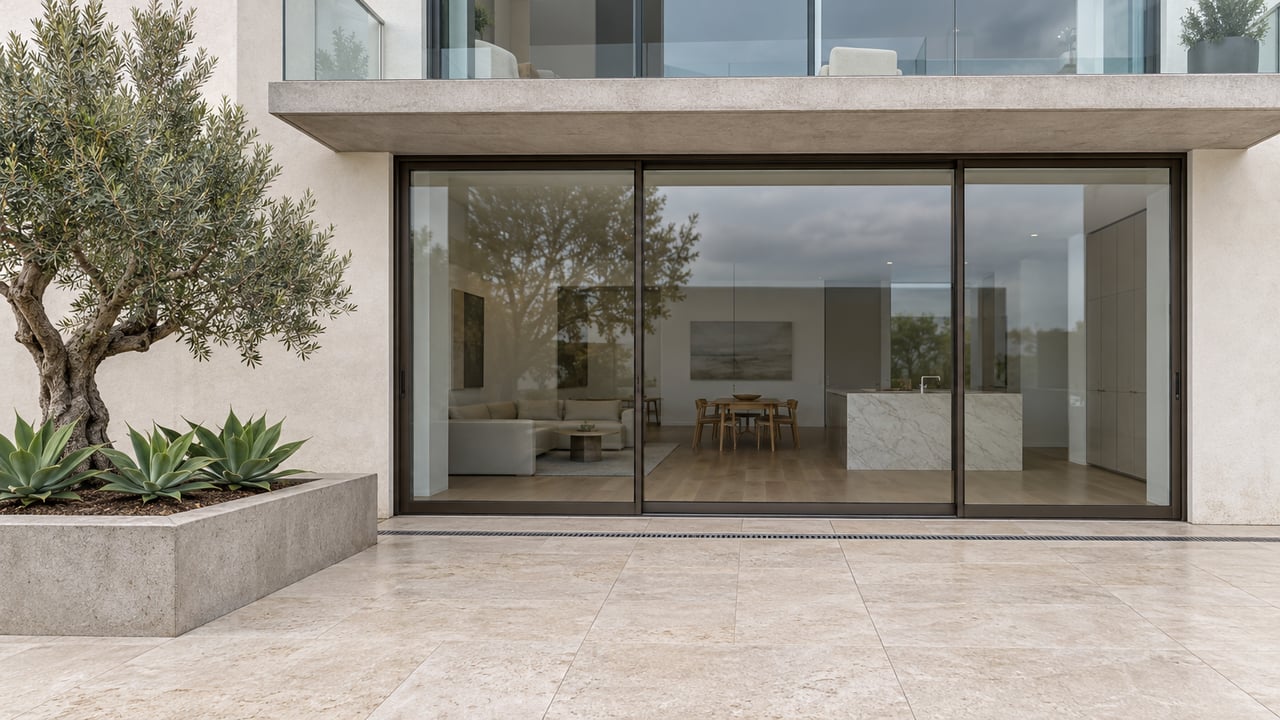
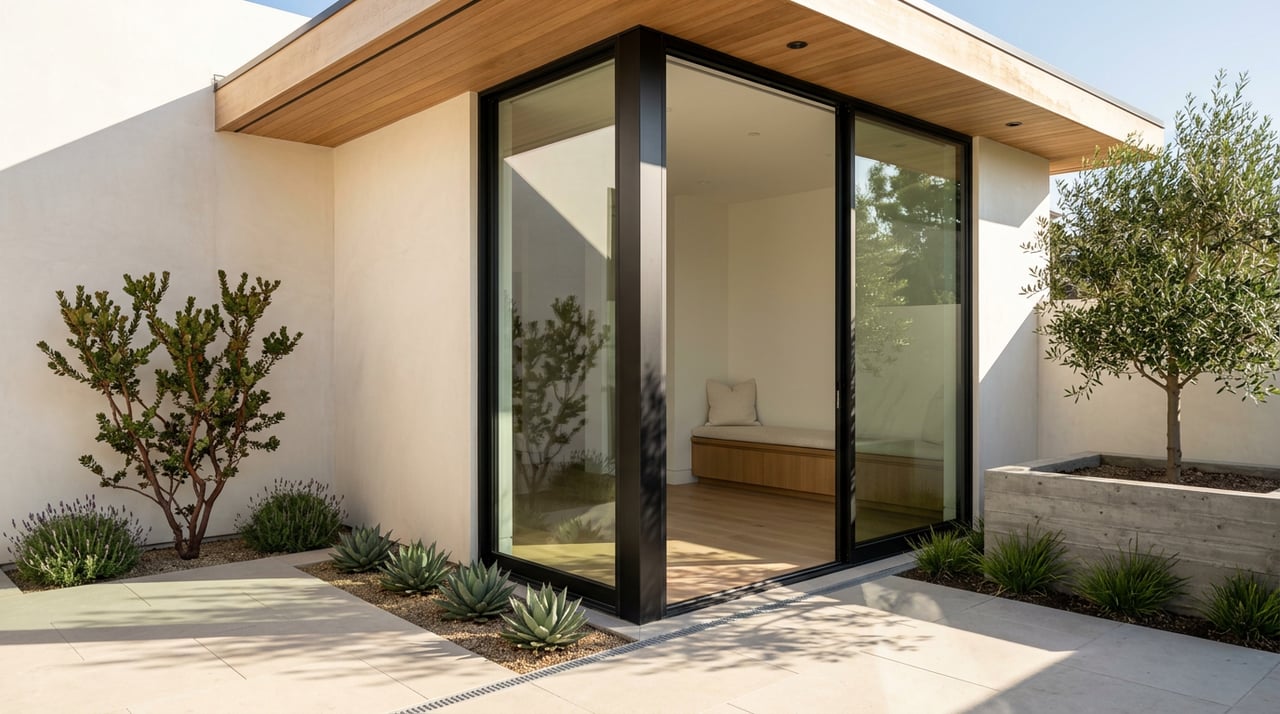
From the 2000s to today, many Hills homes lean into large, rectilinear forms with floor‑to‑ceiling glazing and retractable wall systems. Materials stay tight and refined: concrete, stone, wood, and steel. Seamless indoor–outdoor rooms and oversized terraces are common. For a sense of current craft and integration, see recent Westside and Hollywood projects that prioritize materials and view lines, like those covered by Archinect.
What to spot in listings: disappearing glass walls, frameless railings, long roof overhangs for shade, and integrated tech that supports the glassy envelope.
Spanish and Mediterranean Revival
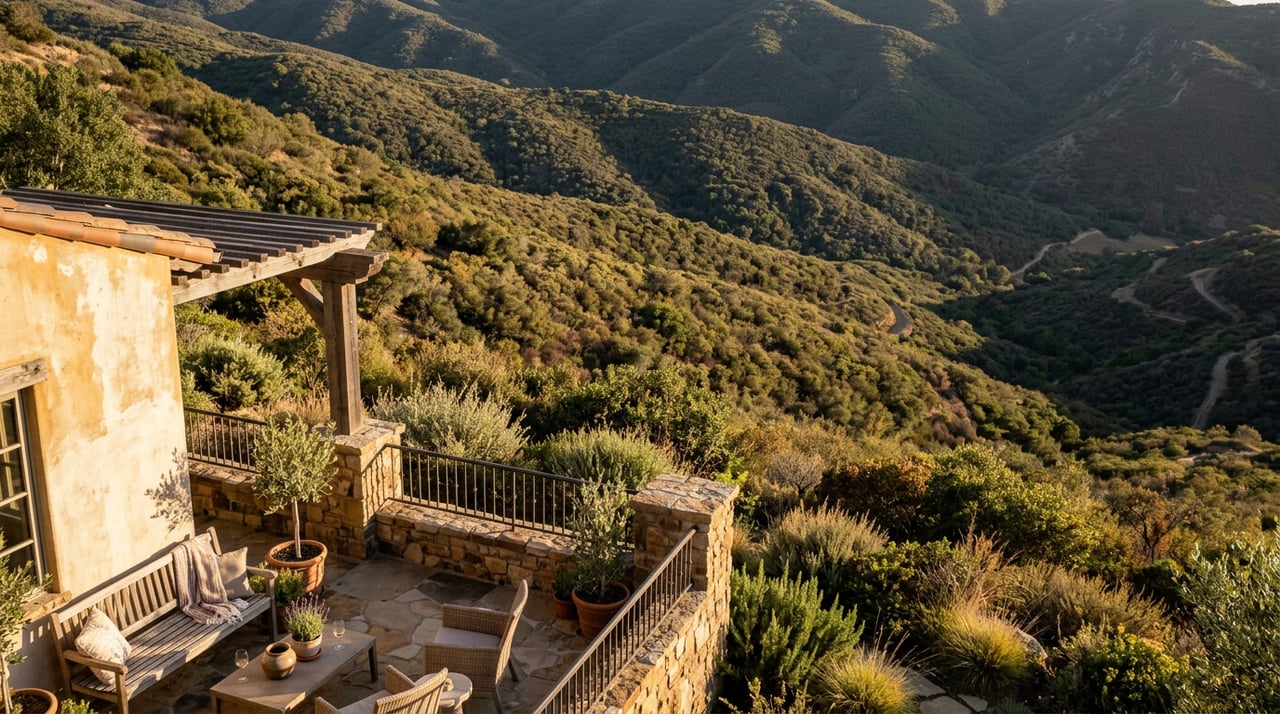
Early hillside villas show white stucco, red‑tile roofs, arched openings, and carved wood or wrought iron details. Courtyards and terraced gardens are part of the architecture, not afterthoughts. Some pockets, like Whitley Heights, include historic overlays that guide exterior changes to preserve neighborhood character. If you are considering work on a home in that area, review the Whitley Heights HPOZ resources.
What to spot in listings: inward‑facing courts, Juliet balconies, tile stairs, and thick plaster arches that frame small, shaded terraces.
Cottages and reimagined artist compounds
In Laurel Canyon and nearby streets, you will find intimate bungalows and cottages with exposed beams, warm woodwork, and compact gardens. Many have been opened internally with modern kitchens and larger doors to the outdoors while keeping original roofs and window proportions.
What to spot in listings: wood ceilings, small courtyards, terraced paths, and sensitive interior refreshes that keep the home’s scale.
Hybrid compound estates
On larger lots, architects often blend eras: a Mediterranean main house with a modern pavilion, or a primary residence plus a guest cottage and motor court. These properties layer terraces, pathways, and planted screens for privacy and flow.
What to spot in listings: ADUs or guest suites, multi‑level outdoor rooms, and landscape that stages views without overexposing the house.
What drives form and flow
Topography first
On a steep site, structure and access come before style. Successful homes step with the grade, cantilever where needed, and minimize heavy cut‑and‑fill. Expect to see past grading, pool, and retaining wall permits in well‑documented remodels, as hillside construction typically requires geotechnical review. The Case Study era and today’s best work share this discipline.
Views and privacy in balance
Public rooms usually face the panorama, while service areas sit closer to the street. Where neighbors are tight, designers add planting screens, louvers, or privacy glass to keep sightlines open without feeling exposed. In scenic‑corridor areas, regulations guide how much a facade can stand out against the ridge.
Seamless indoor–outdoor living
Los Angeles rewards designs that erase the line between inside and out. Sliding or pocketing doors, long sightlines, and terraces that function as second living rooms help a home shine in photos and in person. For design inspiration on that continuity, see this overview of California indoor–outdoor strategies from Architectural Digest.
Sun and comfort
Glass brings light and views, but it needs shade. Deep roof overhangs, exterior screens, and selective coatings on glazing help reduce heat while keeping the horizon clear. Thoughtful sun control is a design move and a comfort upgrade.
Updates that add appeal
Systems and safety
For older hillside homes, seismic bracing and bolting are high‑value upgrades. They address real risk and signal stewardship to buyers. California’s Earthquake Brace + Bolt and related programs have supported thousands of retrofits, and documentation can improve confidence during escrow. For program milestones and verification context, see the California Earthquake Authority’s update.
Energy and long‑term value
Owned solar systems are often a plus with buyers. A Department of Energy summary of multi‑state data found consistent price premiums for homes with host‑owned PV, with results varying by market and system details. If you are weighing the investment, review the DOE’s “Selling Into the Sun” analysis to understand the typical range of outcomes for PV value. You can explore that research at the U.S. Department of Energy.
Preserve character, modernize performance
For authentic midcentury or historic houses, keep the big spatial moves intact: open living areas, expressed structure, original window modules, and honest materials. Upgrade discreetly where it counts: insulation, mechanicals, lighting, and glazing performance. For newer glass‑forward homes, consider improved shading strategies, upgraded coatings, and well‑designed outdoor kitchens and lighting to extend usable seasons.
ADUs and useable space
Accessory dwelling units can add flexibility for guests, work, or rental. Los Angeles allows ADUs under state and city rules, with extra considerations in some hillside or scenic areas. Before you design or market an ADU, review current city guidance and any area overlays. Start with the City Planning portal for ADU policies in Los Angeles at LA City Planning.
Buyer and seller checklist
Use this quick list to make smarter decisions, faster.
- Permits and reports. Ask for grading, retaining wall, pool, and final inspection records on major work. See permit categories and submittals via LADBS.
- Overlays and visibility. Confirm if the property is inside an HPOZ or the Mulholland Scenic Parkway corridor. Start with Whitley Heights HPOZ resources and the Mulholland Scenic Parkway guidelines.
- Fire risk and disclosures. Check parcel‑level fire‑hazard mapping and be ready to discuss vegetation and hardening steps. Current maps live at CAL FIRE.
- Seismic status. Request any seismic retrofit verification, including Earthquake Brace + Bolt documentation where applicable. Learn more at the California Earthquake Authority.
- Style‑specific notes. For midcentury homes, describe authentic features precisely: exposed steel, post‑and‑beam, original glass modules, radiant floors, or cantilevered terraces. For contemporary homes, call out system upgrades and sun control.
Glossary cheat sheet
- Cantilever. A projecting structural element supported at one end. Common in hillside decks or floor plates that hover over the slope.
- Post‑and‑beam. A timber frame or expressed structure visible inside or out, often a hallmark of midcentury homes.
- Clerestory. High windows that pull light deep into a plan while keeping privacy and wall space below.
- Brise‑soleil. A fixed or operable exterior shade that blocks direct sun while preserving views.
Work with a design‑led partner
If you are buying, you want a home that lives beautifully and checks the technical boxes. If you are selling, you want a story that aligns architecture, upgrades, and market timing. Our integrated approach unifies design, construction management, and brokerage so you can move from idea to market with clarity and control. When you are ready to plan your next move in the Hollywood Hills, connect with Steven James Design & Development to schedule a consultation.
FAQs
What sets Hollywood Hills midcentury homes apart from others in L.A.?
- They emphasize steel or post‑and‑beam structure, long glass walls, and open plans oriented to views, often with cantilevered decks and integrated pools.
How do Mulholland Scenic Parkway rules affect remodeling?
- Exterior changes visible from the ridge may face specific design review, which can influence massing, materials, lighting, and placement of additions.
What should I check for wildfire risk when buying in the Hollywood Hills?
- Confirm whether the parcel lies in a mapped fire‑hazard zone, understand defensible‑space needs, and review any related disclosures and insurance considerations.
Do solar panels add resale value in the Hollywood Hills?
- Studies summarized by the U.S. Department of Energy show consistent premiums for host‑owned PV systems, with actual results varying by market and system details.
Can I build an ADU on a steep Hollywood Hills lot?
- ADUs are allowed in Los Angeles, but hillside and scenic overlays can add steps or checks, so verify current city guidance and any area‑specific limitations early.